


While scrolling through social media, you might suddenly come across an image of a tiger standing in the middle of a road with a curious crowd gathered around it. Amazed by the scene, many people quickly share it. However, a little later, it is revealed that the event never actually happened; the entire scene was created using Artificial Intelligence (AI).
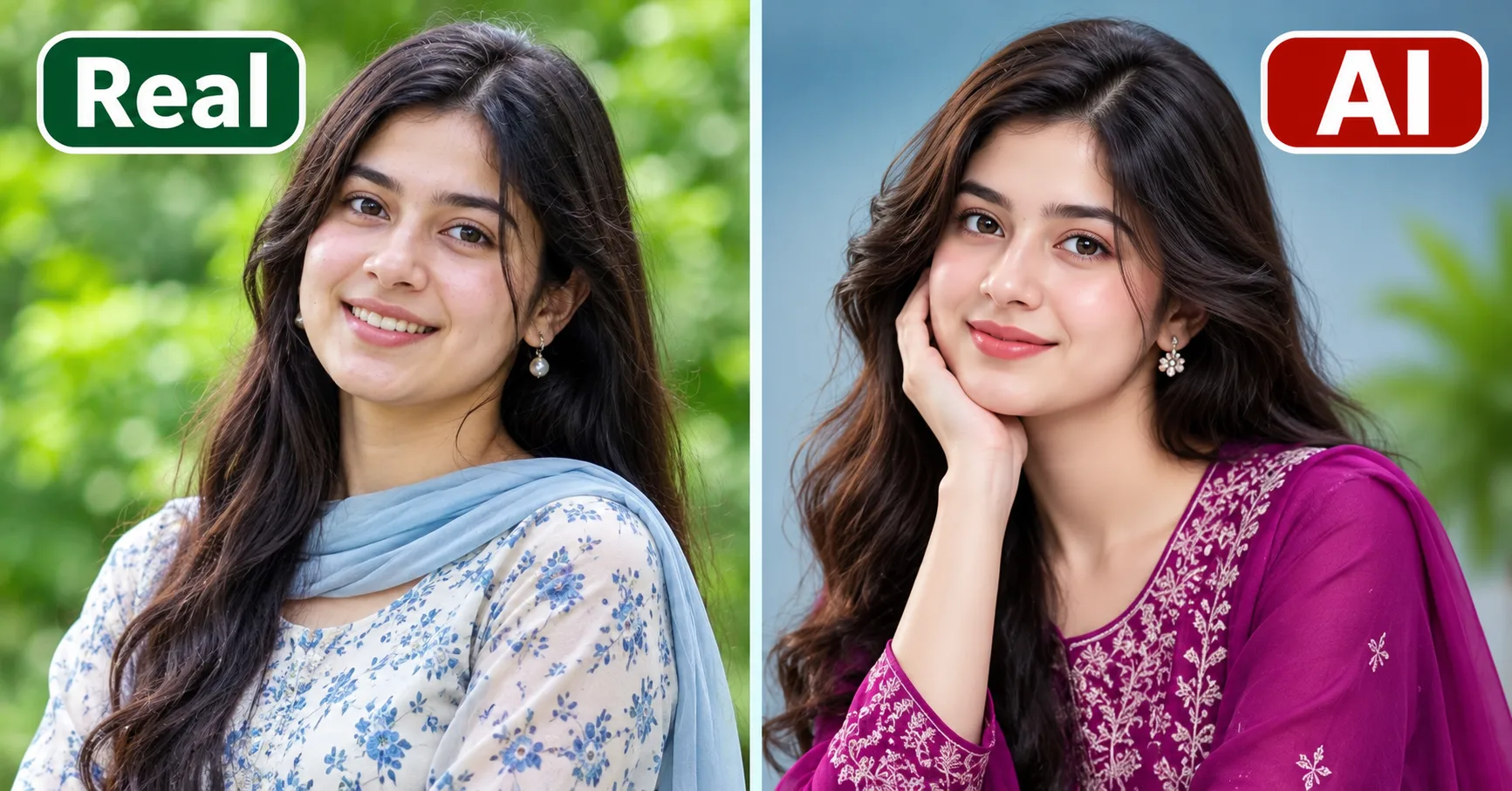
At one point, recognizing AI-generated images was relatively easy. One could spot anomalies like six fingers on a hand, distorted eyes, or unusually shaped faces. But with the rapid advancement of technology, these errors have significantly decreased. Today, AI is producing images that are incredibly difficult to distinguish from real photographs. Therefore, before believing any picture—especially those depicting accidents, political events, natural disasters, or well-known figures—it is essential to verify it. Here is a detailed analysis of some key aspects to help you identify AI-generated images:
Is the Image Unusually Perfect?
In many AI-generated images, the people, buildings, or surrounding environments look unusually clean and flawless. For example, a busy market scene might have no dirt anywhere, the roads might be shiny and clean, and items might be perfectly arranged. On human faces, natural skin textures, blemishes, or wrinkles are often completely absent. The lighting in these images can also appear unnaturally perfect, as if it was shot for a professional advertisement. If the colors are overly vibrant or all textures appear uniformly smooth, there is reason to be suspicious.
Are There Unnecessary Descriptions or Text?
Some AI-created images feature an unusual amount of text or descriptive elements. For instance, a scene in front of a school might have the school's name written excessively large, or a street image might display location markers too clearly. If an image seems to be trying too hard to explain to the viewer what is happening rather than just showing a scene, you should examine it more closely.
Examine Hands and Fingers Closely
If the structure of hands in a photo seems unnatural, take a closer look. In group photos, check everyone's hands and fingers. Look for inconsistencies in how the wrist connects to the hand, the positioning of the fingers, or the way a person is holding an object.
Pay Attention to the Background Details
We generally focus on the main subject of a photo, but AI-generated images often have glaring inconsistencies in the background. A person walking in the background might have a distorted face, the wheels of a car might look morphed, or objects might blend into each other unnaturally. Errors can also be found in the alignment of rows of windows, doors, or stairs.
Check Text, Signboards, and Lighting
Verify the text on shop signboards, car license plates, or posters. AI images frequently contain scrambled letters, spelling mistakes, or meaningless words. Additionally, observe the light and shadows. If sunlight is coming from one direction, shadows should naturally fall in the opposite direction. AI images may show inconsistencies between the light source and the shadows, or reflections in mirrors or water that do not match the real objects.
Unnatural Repetition of Objects
In AI-generated crowd scenes, several people might have nearly identical faces. You might also notice the exact same arrangement of fruits in a market or unnatural repetition in architectural designs, which strongly hints at AI generation.
Utilize Google Lens and AI Detector Websites
If an image seems suspicious, you can use Google Lens. By searching with the image, you can find out if it has been published before or if a photo from another country is being passed off as a recent local event. Furthermore, there are various online platforms where you can upload an image to determine the probability of it being generated by AI.
Verify the Source and Metadata
Instead of just looking for errors within the image, verifying who published it is often more effective. Check if it was reported by reliable news outlets and investigate the context, location, and time of the event. You can also inspect the digital metadata or Content Credentials attached to the image to trace its source and editing history.
Stay Alert and Responsible
It is important to remember that these signs are initial clues, not absolute proof. Real photos can also appear unusual due to camera angles, lighting, or editing. Moreover, advanced AI can now create highly flawless images. Therefore, refrain from emotionally sharing an image without verifying it first. If in doubt, verify through multiple methods and avoid spreading it as truth until you are absolutely certain.
Comments
No comments yet. Be the first to write one.
Leave a comment