


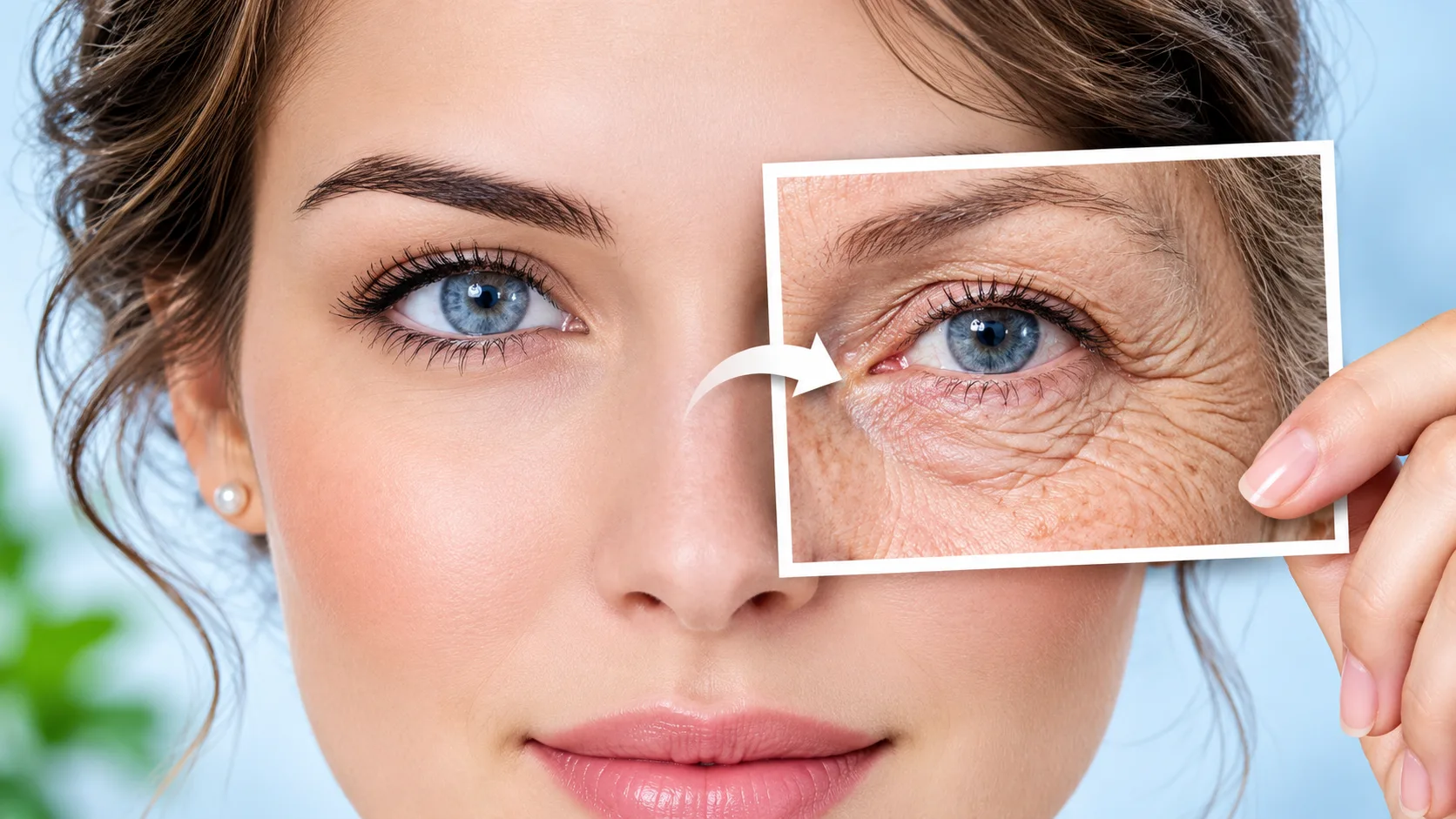
Silicon Valley wants to beat ageing. Scientists say the best tools may already be in your kitchen and your trainers.
People have always wanted to live longer. Today some are going much further than earlier generations did. A growing movement calling itself “biohacking” treats the human body like software, something you can debug, tweak and upgrade.
Biohackers track their sleep down to the minute and their blood sugar in real time. Some swallow dozens of supplements a day, and a few go as far as experimental gene therapies or transfusions of young blood plasma. The goal is the same for all of them: not just to live longer, but to stay healthy for longer.
Lifespan vs “Healthspan”
Researchers increasingly draw a line between lifespan, the number of years you live, and healthspan, the number of years you live in good health. In many countries life expectancy has gone up much faster than healthy life expectancy. Many people now spend their last ten years or more living with chronic illness.
Longevity science wants to close that gap. Instead of fighting heart disease, dementia and diabetes one at a time, some scientists now ask a bolder question: what if ageing itself is the root cause, and it can be slowed?
What the Lab Has Found
In the lab, the results are interesting:
Cellular “clean-up”: As we age, damaged “senescent” cells pile up and release inflammatory signals. Drugs called senolytics, built to clear those cells out, have extended healthy life in mice. Human trials are still at an early stage.
Biological clocks: Scientists can now estimate a person’s “biological age” from chemical markers on their DNA. These markers can differ from the age on your birth certificate.
Calorie restriction: In many animal studies, eating less without becoming malnourished has been linked to longer life. Whether that carries over to humans is still debated.
Experts warn that what works in a mouse often fails in a person. No pill has been proven to reverse human ageing.
The Risks of DIY Longevity
Medical experts are worried about this. Biohacking happens largely outside clinical oversight, and the dangers are real:
Unregulated supplements can interact with medicines or contain undeclared ingredients.
Self-administered injections and off-label drugs carry risks of infection and side effects.
Expensive “anti-ageing” clinics often sell treatments with little evidence behind them.
There are ethical questions too. If life-extending treatments ever arrive, who will be able to afford them? A future where the wealthy buy extra decades of healthy life could deepen the inequalities that already exist.
The Unglamorous Secret
For most people, the evidence points somewhere much less futuristic. Decades of research keep backing the same habits, and they’re free or cheap:
Move every day. Regular exercise is among the strongest known protections against age-related disease.
Sleep well. Poor sleep is linked to heart problems, weaker immunity and cognitive decline.
Eat mostly plants. Diets rich in vegetables, whole grains, legumes and healthy fats are consistently tied to longer, healthier lives.
Don’t smoke and limit alcohol.
Stay connected. Strong social ties and a sense of purpose are linked to better health in later life.
The Bottom Line
Science hasn’t found a fountain of youth yet, but it’s beginning to understand why our bodies wear out. Until those discoveries become safe, proven treatments, the most powerful longevity tools are not in a lab or a vial. They’re in how we live every day.
Still, the quest goes on, and the question of how long and how well people can live may define the medicine of this century.
Comments
No comments yet. Be the first to write one.
Leave a comment