


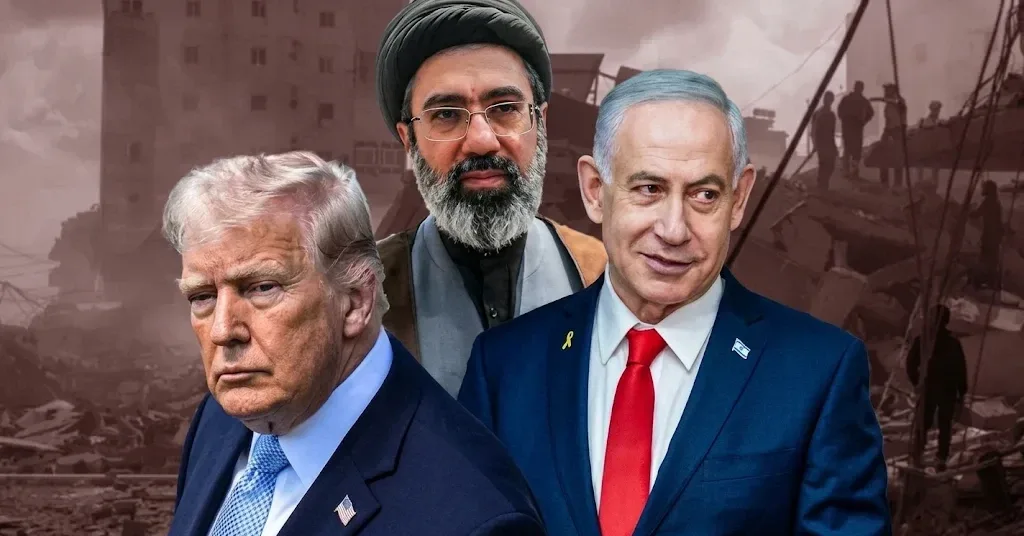
Israeli Prime Minister Benjamin Netanyahu is reportedly urging US President Donald Trump to launch another major military operation against Iran. Israel has been repeatedly pressing Washington to take swift action, citing concerns over Iran's rebuilding of its military capabilities. However, Trump has yet to make a final decision, while divisions remain within his administration over the consequences of restarting the war.
According to US and Israeli officials, Trump is reviewing the possibility of renewed military strikes following fresh intelligence assessments about Iran's missile and drone capabilities. Israel claims that Tehran is rapidly rebuilding its stockpiles of missiles and drones while advancing its chemical and biological weapons capabilities.
The US president is also considering the significant military presence Washington currently maintains in the Middle East and whether the situation offers an opportunity for immediate action. However, officials within the administration remain divided over the reliability of the intelligence and whether another military campaign would be a wise decision.
People familiar with the discussions say Netanyahu is pushing the United States to join Israel in a four-to-seven-day air campaign against Iran. However, a senior Israeli official has denied that the prime minister is pressuring Trump, maintaining that Israel's actions are focused on protecting its national security.
Netanyahu is also facing growing political uncertainty at home. Following last month's election, his political allies suffered setbacks in key parliamentary positions. Opposition parties are now attempting to form a new government, leaving Netanyahu's political future increasingly uncertain.
Against this backdrop, another conflict with Iran could potentially delay opposition efforts to establish a government and create pressure for a national unity administration that includes Netanyahu.
Military and intelligence discussions between Washington and Tel Aviv intensified last week. Mossad Director Roman Gofman reportedly met CIA Director John Ratcliffe and other US officials in Washington. Israeli military intelligence chief Shlomi Binder also held discussions with American officials, with Israeli representatives supporting renewed military action.
Meanwhile, the United States has strengthened its military presence across the Middle East. Warships, fighter jets and strategic bombers have been placed on standby for potential operations. The arrival of the USS Theodore Roosevelt aircraft carrier further increased American military strength in the region.
According to military officials, any new operation could target Iran's missile and drone stockpiles, Islamic Revolutionary Guard Corps (IRGC) command centres and energy facilities. Israel has also proposed additional strikes on Iran's nuclear infrastructure, alongside large-scale attacks on its energy sector. Trump has not yet approved the proposal to target energy facilities.
Such attacks could disrupt electricity supplies and severely affect Iranian industries and ordinary citizens. The potential humanitarian and economic consequences are among the concerns being considered in Washington.
The economic impact of the previous conflict is also weighing on Trump's calculations. The president had promised a swift victory when the war began, but the conflict has continued to create economic pressure, including rising energy and consumer prices. Dissatisfaction among American voters has further complicated the administration's position.
Some US officials believe economic pressure may be sufficient to force Tehran back to negotiations without launching another major military campaign. Nevertheless, Trump has kept all options open to prevent Iran from developing nuclear weapons.
With Israel pushing for military action, American forces maintaining heightened readiness and diplomatic options remaining uncertain, the decision now rests with Trump. Whether Washington chooses renewed military strikes or continues to rely on economic pressure remains to be seen.






Comments
No comments yet. Be the first to write one.
Leave a comment