


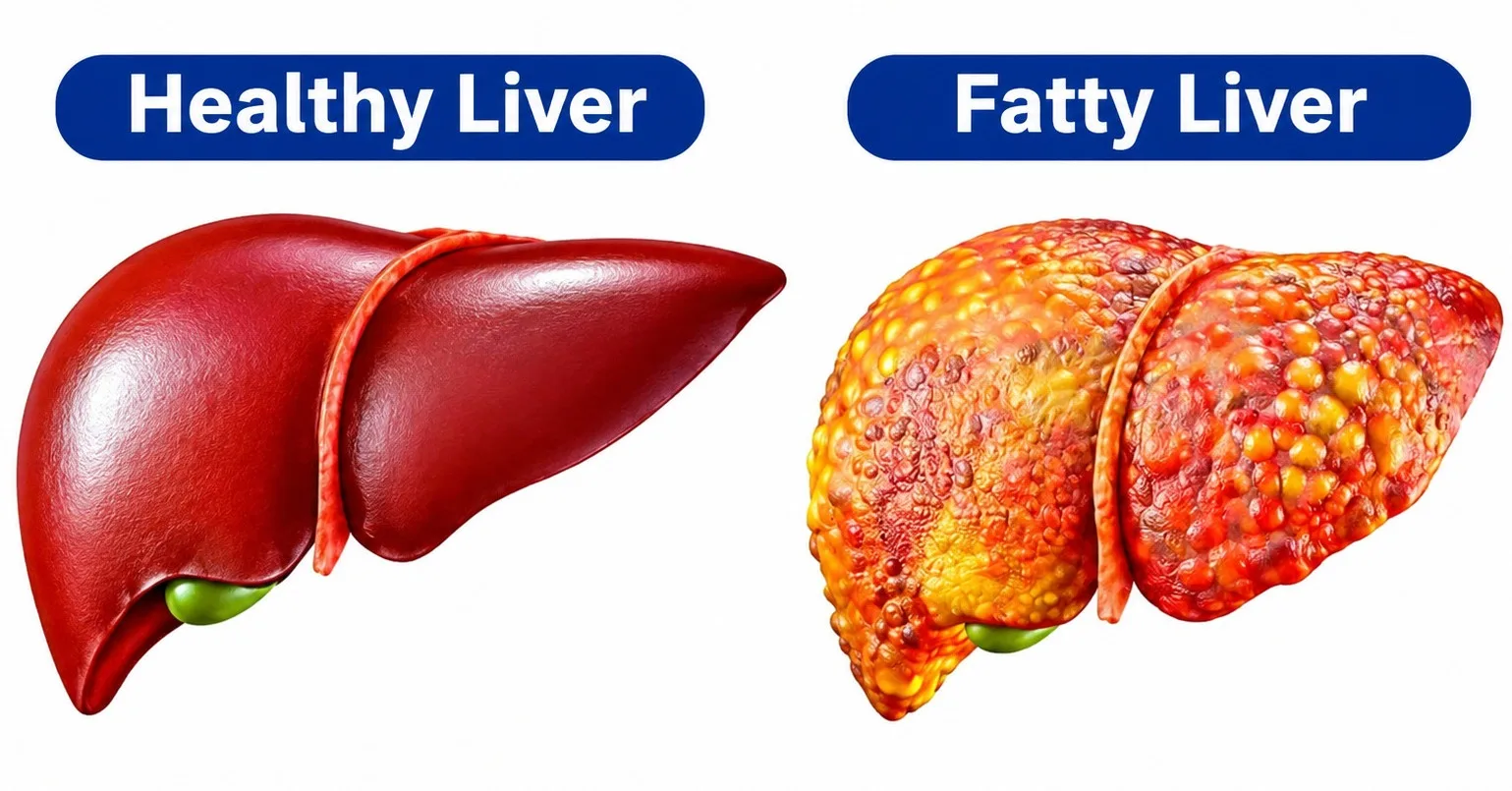
Grade 1 fatty liver, medically known as mild hepatic steatosis, is the earliest and mildest stage of fatty liver disease. It occurs when a small amount of fat builds up inside liver cells. The condition is often associated with metabolic dysfunction-associated steatotic liver disease (MASLD), previously known as non-alcoholic fatty liver disease (NAFLD). Many people have no noticeable symptoms and discover the condition during a routine health check-up or an ultrasound scan for another health problem. Although it is considered mild, it should not be ignored. The good news is that early lifestyle changes can reduce liver fat and may help reverse the condition. However, an ultrasound grade alone cannot confirm whether liver inflammation or scarring is present.
Several factors can contribute to Grade 1 fatty liver. An unhealthy diet containing too much added sugar, refined carbohydrates, saturated fats, fried foods and processed meals can increase fat storage in the liver. Insulin resistance is another major factor because the body's cells do not respond properly to insulin, affecting blood sugar regulation and fat metabolism. Overweight, obesity, high triglycerides, abnormal cholesterol, high blood pressure and type 2 diabetes also increase the risk. Together, these conditions are often linked to metabolic syndrome. Rapid weight loss, crash diets and malnutrition may worsen liver health. Excessive alcohol consumption can also cause fat accumulation, although alcohol-related fatty liver is a separate category. Certain medicines, including corticosteroids, some chemotherapy drugs and antiviral medicines, may contribute in some cases. Genetic factors and family history can also influence a person's risk, even when their lifestyle appears relatively healthy.
One of the biggest challenges is that Grade 1 fatty liver often develops without clear warning signs. Many people feel completely normal. However, some may experience unusual tiredness, weakness, general discomfort or mild pain and heaviness in the upper-right side of the abdomen. An enlarged liver may sometimes cause abdominal discomfort. Unexplained weight gain can also occur alongside the metabolic conditions associated with fatty liver. High blood sugar may cause increased thirst and frequent urination, but these are not specific symptoms of liver disease. High triglycerides usually do not cause noticeable symptoms by themselves. Fat deposits around the eyes or under the skin are not reliable signs of fatty liver. Therefore, fatigue or abdominal discomfort alone cannot confirm the condition. Doctors may recommend medical history reviews, physical examinations, blood tests such as ALT and AST, lipid profiles, blood glucose tests and imaging. Additional tests may be needed to assess liver scarring.
The most effective approach to managing Grade 1 fatty liver is improving daily habits. Choose a balanced diet containing vegetables, fruits, whole grains, lentils, fish, lean meat, nuts and healthy fats. Reduce sugary drinks, soft drinks, packaged fruit juices, energy drinks, sweetened tea, sweets, fast food, chips, fried foods, processed meat and foods high in saturated or trans fats. Limit large portions and avoid frequent consumption of highly processed foods. If you are overweight, gradual weight loss can make a significant difference. Losing around 3–5% of body weight may reduce liver fat, while a sustained loss of approximately 7–10% may help improve liver inflammation. Greater weight loss may be needed to improve fibrosis. These targets are not suitable for everyone and should be discussed with a healthcare professional. Avoid crash diets and extreme fasting. Regular physical activity is equally important. Brisk walking, cycling, swimming, jogging and strength training can improve metabolic health. Adults should generally aim for at least 150 minutes of moderate-intensity exercise each week, according to their ability.
Another important step is controlling other health conditions. People with diabetes, high blood pressure, high cholesterol or high triglycerides should follow their doctor's treatment plan. Physical activity can benefit liver health even without significant weight loss. Avoid alcohol, particularly if fatty liver has been diagnosed, and discuss alcohol use honestly with a healthcare professional. Never stop prescribed medicines or start herbal products, vitamins or supplements without medical advice, as some products can damage the liver. There is no single medicine that is routinely required for every person with Grade 1 fatty liver. Treatment usually focuses on lifestyle changes and managing related medical conditions. Depending on individual risk, a doctor may also assess hepatitis A and B vaccination needs to help protect the liver. Regular follow-up appointments, blood tests and appropriate imaging can help monitor liver health and identify changes over time.
There are several common myths about fatty liver. First, not everyone with the condition experiences symptoms; it is frequently detected accidentally during medical examinations. Second, fatty liver does not affect only people who drink alcohol. Metabolic factors, obesity, diabetes, insulin resistance and genetics can also cause it in people who never drink. Third, Grade 1 fatty liver should not be considered completely harmless. Although it is the mildest ultrasound grade, the underlying condition may progress in some people, potentially leading to inflammation, fibrosis and, in advanced cases, cirrhosis. Anyone whose ultrasound shows fatty liver, whose ALT or AST levels are elevated, or who has diabetes, obesity or abnormal cholesterol should consult a gastroenterologist or liver specialist. Persistent upper-right abdominal pain also requires

Comments
No comments yet. Be the first to write one.
Leave a comment