


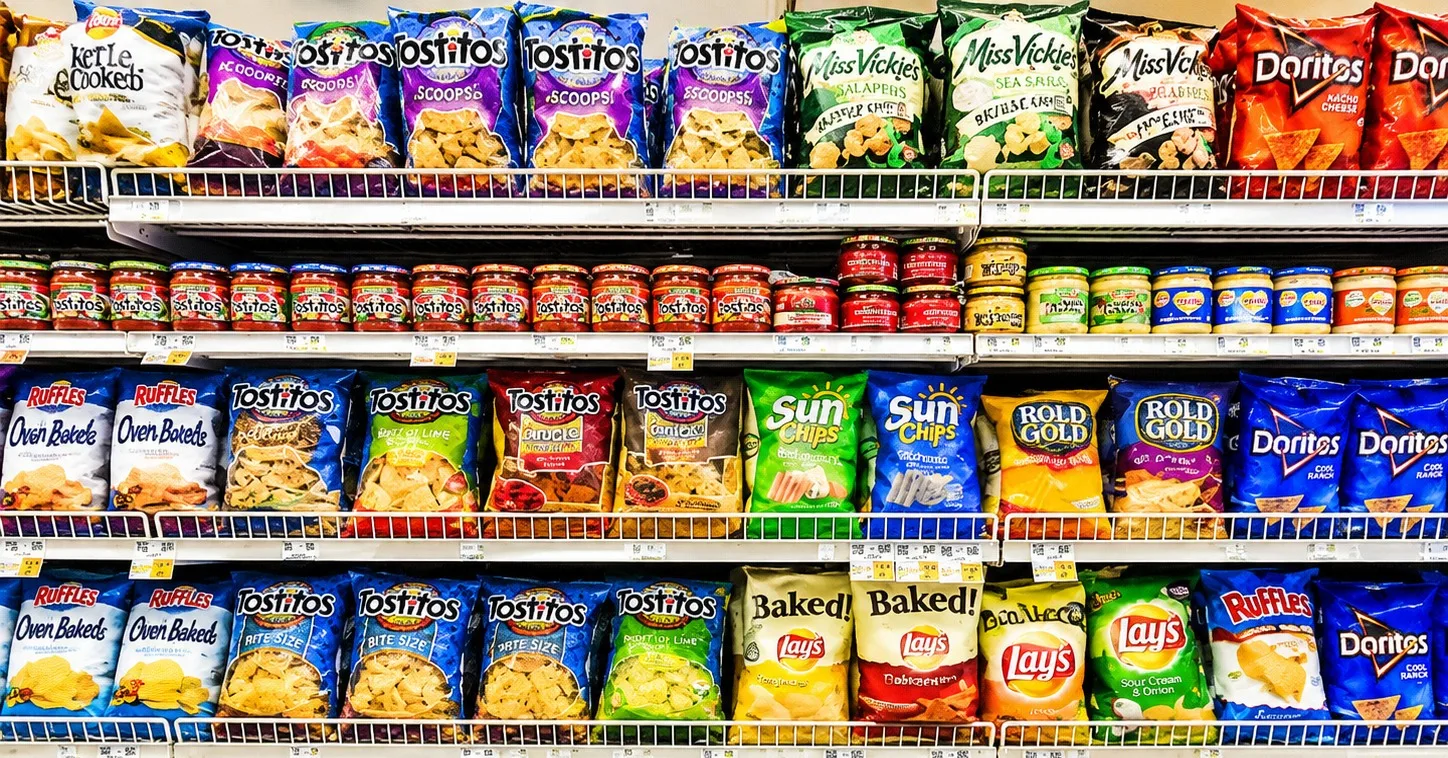
Ultra-Processed Foods (UPFs) are becoming a major concern for health experts worldwide. However, not all processed foods are unhealthy. According to BBC Health Correspondent Dom Hughes, almost every food goes through some form of processing before reaching our plates. Processing can make food safer, easier to use and last longer. For example, milk is pasteurised to remove harmful bacteria, sunflower seeds are pressed to produce oil, tomatoes are canned and peas are frozen for storage. These methods can help people access nutritious foods more easily. The important difference is between basic food processing and industrial processing that significantly changes a product.
Ultra-Processed Foods are generally made through complex industrial methods and often contain ingredients that are not commonly used in home cooking. There is no single official definition, but one common guideline is to look for products containing more than five ingredients, including additives such as emulsifiers, artificial colours, flavour enhancers and high-fructose corn syrup. However, ingredient numbers alone cannot determine whether a food is unhealthy. Industrial production methods include shaping foods into forms such as dinosaur-shaped chicken nuggets, extrusion, which pushes food mixtures through small openings under high pressure to make snacks and breakfast cereals, and hydrogenation, which adds hydrogen to liquid vegetable oils to create solid fats. Pre-frying is another method used to prepare products such as frozen chips and fish fingers before packaging.
Health experts are increasingly concerned about the possible effects of eating too many Ultra-Processed Foods. High consumption has been linked to obesity, cardiovascular disease, type 2 diabetes, certain cancers and mental health conditions such as anxiety and depression. A 2025 study suggested that people who consume large amounts of these foods may face a higher risk of premature death. However, researchers say it is difficult to prove that UPFs directly cause these conditions because other factors, including exercise, smoking, overall diet and socioeconomic status, may also influence health. In the UK and the US, these products account for more than half of people's daily calorie intake. A 2021 analysis also highlighted the risks of excessive consumption. Many products are designed to be extremely appealing, with high levels of fat and sugar activating the brain's reward system. Their soft textures, such as those found in ice cream, also require less chewing. This can encourage people to eat quickly before their brains recognise that they are full.
Scientists are still investigating whether the health risks come mainly from industrial processing or from the nutritional content of these products. An analysis of more than 40 studies found that diets high in UPFs generally contain more calories and sugar but less fibre and essential micronutrients. Some experts believe industrial processing may also change how the body responds to food. For example, the body may absorb less fat from whole nuts than from ground nuts, because grinding releases more of their oils. Researchers are also investigating whether UPFs affect the gut microbiome, which contains microorganisms that support digestive health. However, the British Heart Foundation says more research is needed to understand these effects and separate them from other dietary factors.
Not every Ultra-Processed Food is necessarily unhealthy. Bran flakes, for example, are technically classified as UPFs but can provide useful nutrients. They contain carbohydrates for energy and fibre from wholegrain wheat and wheat bran, which supports digestive health. Fortified varieties may also contain niacin, vitamin B6, riboflavin, folic acid and vitamin D. The Food and Drink Federation argues that the broad UPF classification can unfairly label many everyday foods, including bread, yoghurt, pasta sauces, hummus, pesto, gnocchi and vegan cheese. It also says approved food additives undergo safety assessments by the UK's Food Standards Agency. Even ordinary white wheat flour in the UK is legally required to contain added nutrients such as calcium carbonate, niacin and thiamine. These examples show why food choices should not be judged by processing labels alone.
Experts recommend focusing on a balanced diet instead of trying to eliminate every Ultra-Processed Food. The UK's Scientific Advisory Committee on Nutrition advises caution when making strict dietary recommendations because research still has limitations. Completely avoiding UPFs may also be difficult because they are often affordable, convenient and widely available. The British Heart Foundation recommends eating more fruits and vegetables, replacing sugary drinks with water and making time for home-cooked meals during the week. When shopping, dietitians advise checking the overall nutritional value of products rather than simply counting their ingredients. Pay particular attention to salt, sugar and unhealthy fats. For example, a product high in sugar or saturated fat may be a less healthy choice, while fortified bread or cereal can still provide useful vitamins and minerals. The key message is simple: choose more minimally processed foods, maintain nutritional balance and make informed decisions rather than following extreme food restrictions.




Comments
No comments yet. Be the first to write one.
Leave a comment