


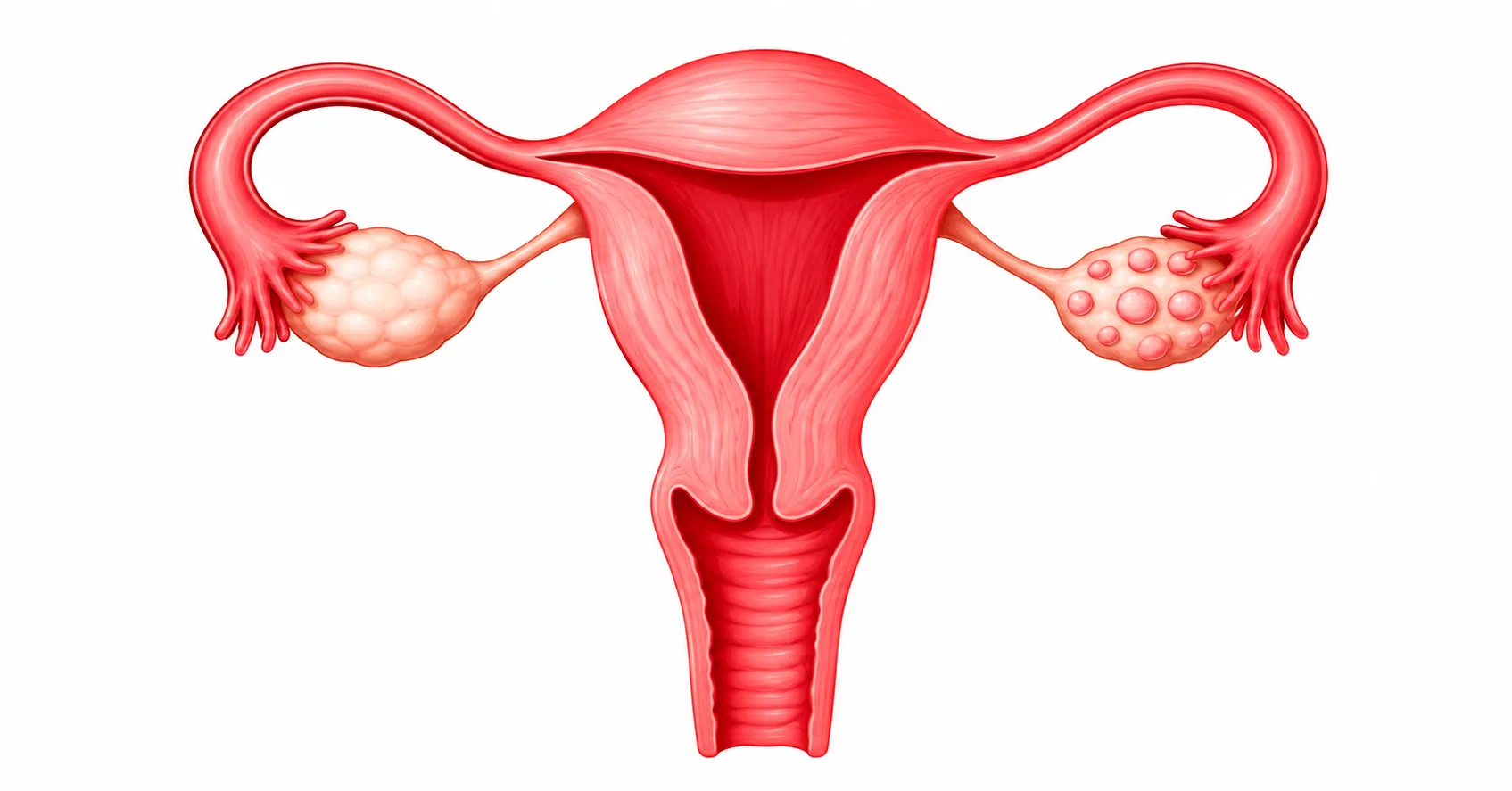
Polycystic Ovary Syndrome (PCOS) is a common hormonal and metabolic condition that affects women during their reproductive years. According to the US Food and Drug Administration (FDA), around 1 in 10 women of childbearing age has PCOS. Harvard Health discusses a newer name for this condition: Polyendocrine Metabolic Ovarian Syndrome (PMOS), formerly known as PCOS. The condition involves an imbalance of reproductive hormones and may cause irregular periods, unwanted hair growth, acne, weight gain and difficulty becoming pregnant. It can also affect overall health, increasing the risk of type 2 diabetes, high blood pressure, heart disease and fatty liver. PCOS is not simply an ovarian condition; it can affect the reproductive, endocrine and metabolic systems.
The ovaries produce estrogen and progesterone, which help regulate the menstrual cycle and the development of follicles. These small, fluid-filled structures contain eggs that may be released during ovulation. The ovaries also produce small amounts of testosterone, an androgen hormone. Harvard Health reports that around 4% to 7% of women may produce too much testosterone in their ovaries. High androgen levels can prevent follicles from releasing eggs regularly. As a result, several small fluid-filled structures may remain in the ovaries, which explains the older term “polycystic.” However, some women have PCOS-related hormonal changes without ovarian cysts. Insulin resistance is also important: the body's cells do not respond properly to insulin, which can increase blood sugar and insulin levels. Excess insulin may encourage the ovaries to produce more androgens. Genetics and hormone-regulating glands, including the ovaries, pituitary gland and adrenal glands, may also contribute. However, the exact cause is not fully understood, and insulin is not necessarily the main cause in every woman.
Symptoms may begin around puberty, although they are not usually obvious before mid-puberty. Common signs include infrequent, irregular or absent periods; difficulty becoming pregnant; acne and oily skin; weight gain or difficulty losing weight; thinning scalp hair or hair loss; and increased hair growth on the face, chin, upper lip, sideburns, chest, around the nipples or lower abdomen. Some women develop dark, thickened skin around the neck, groin, underneath the breasts or in the armpits. This skin may feel velvety, and small skin tags may appear around the neck or armpits. Harvard Health reports that obesity occurs in approximately 40% to 50% of women with this condition. Not every woman experiences all these symptoms. PCOS may also cause irregular bleeding because the uterine lining does not develop and shed in the usual menstrual pattern. If menstrual irregularity continues for more than six months, or other symptoms appear, medical assessment is important.
There is no single test that can diagnose PCOS. Doctors review menstrual and medical history, examine symptoms and may order blood tests or an ultrasound. Diagnosis generally considers irregular ovulation or periods, signs or blood-test evidence of high androgen levels, and multiple small cyst-like structures in one or both ovaries. At least two relevant features may support diagnosis after other possible causes are excluded. If periods are irregular, a pregnancy test may be needed. Blood tests can measure testosterone and other hormones. Prolactin may also be checked because very high levels, sometimes linked to a pituitary gland tumour, can cause similar symptoms. Other hormone tests may help rule out alternative conditions. Testosterone testing may be unreliable while taking birth control pills. An ultrasound may show multiple ovarian structures, but their absence does not rule out PCOS. Doctors may also recommend regular blood glucose and cholesterol testing because of the increased risk of diabetes and heart disease. The American Diabetes Association recommends periodic blood sugar checks for people with this condition.
There is no single cure or treatment suitable for everyone. Treatment depends on symptoms, health risks and whether a woman wants to become pregnant. Doctors may prescribe progesterone for 10 to 14 days each month or combined estrogen-progesterone birth control pills to regulate periods. These pills may reduce androgen production, and hair growth and acne may improve after about six months. Anti-androgen medicines such as spironolactone may help with unwanted hair and acne. Hair removal options include plucking, creams, laser treatment and electrolysis. Depending on individual needs, doctors may consider metformin, pioglitazone or GLP-1 medicines such as semaglutide, liraglutide and tirzepatide for metabolic or weight-related problems. A healthy diet, safe weight management and regular physical activity are important parts of care. For women seeking pregnancy, letrozole is often used first to stimulate ovulation; clomiphene citrate may be another option. Some women may need fertility treatment, including IVF. Women with epilepsy should discuss valproic acid (Depakote or Depakene) with their specialist because it may affect reproductive hormone metabolism and worsen symptoms. No one should stop or change epilepsy medication independently.
PCOS can have long-term effects. Women may face a higher risk of prediabetes, type 2 diabetes, high blood pressure, unhealthy cholesterol levels, heart disease, stroke, sleep apnea and fatty liver. Depression and anxiety are also reported, although the direct relationship is not fully understood. Irregular ovulation, obesity, insulin resistance and diabetes may increase the risk of endometrial cancer, which affects the lining of the uterus. Some women with PCOS experience miscarriage, gestational diabetes or premature birth, but many can still have healthy pregnancies with appropriate care. The condition may continue from puberty until menopause, while insulin resistance and metabolic risks may remain throughout life. There is currently no established way to prevent most cases, although early identification and management of insulin resistance may help in the future. Treatment can improve symptoms and may reduce certain complications. Avoiding smoking, eating a balanced diet, staying physically active and maintaining a healthy weight are important. Anyone with possible symptoms should consult a qualified healthcare professional. Do not start, stop or change hormonal pills, diabetes medicines, supplements or fertility treatments without medical advice.
Comments
No comments yet. Be the first to write one.
Leave a comment