


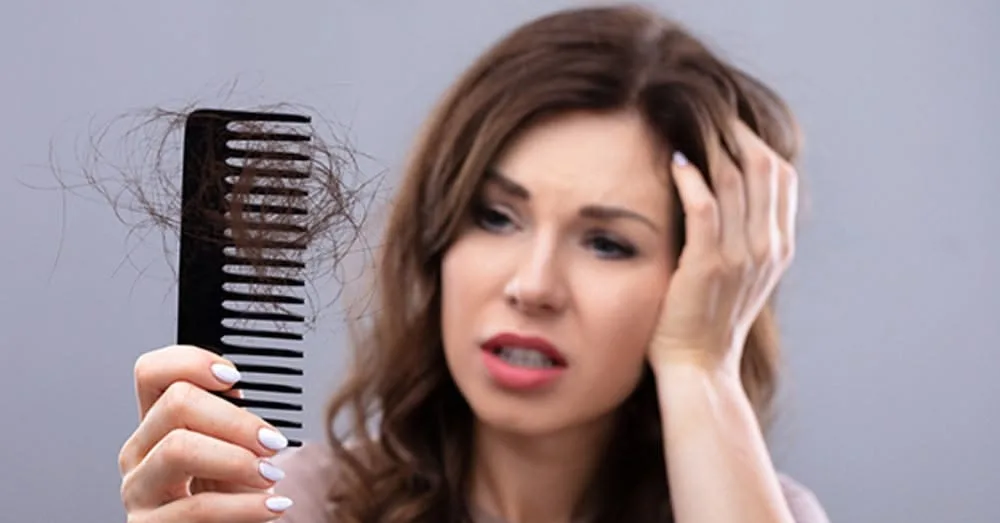
Hair fall is a common concern throughout the year, but many people notice increased hair shedding during winter. Changes in weather, pollution, poor hair care and scalp dryness can all contribute to the problem.
As temperatures drop and humidity levels decrease, the scalp may lose some of its natural moisture. This can lead to dryness, irritation and other scalp problems, making hair care particularly important during the colder months.
Is Hair Fall Normal?
Yes. Hair shedding is a natural part of the hair growth cycle. Old hairs fall out to make room for new growth.
According to common medical guidance, losing around 50–100 hairs a day is generally considered normal. The amount may vary from person to person depending on hair type, health and other factors.
Why Does Hair Fall Increase in Winter?
Humidity levels in Bangladesh are generally high during summer and the monsoon season. However, the arrival of winter brings changes in temperature and moisture levels.
Dry winter air can reduce moisture in the scalp and hair, leaving them dry and more prone to breakage. A dry scalp may also become itchy and irritated. In some cases, scalp conditions can contribute to increased hair shedding.
These seasonal changes, combined with inadequate hair care, may make hair fall more noticeable during winter.
Other Common Causes of Hair Loss
Winter weather is not the only reason behind hair loss. Several health-related and lifestyle factors can also contribute to the problem.
Hormonal changes: Pregnancy, childbirth and menopause can cause hormonal fluctuations that affect the hair growth cycle.
Illness: Certain health conditions and scalp infections may trigger hair loss.
Stress: Physical or emotional stress can disrupt the normal hair growth cycle and lead to excessive shedding.
Poor scalp hygiene: An unclean scalp and certain infections may contribute to hair and scalp problems.
Genetics: Hereditary hair loss is another common cause and can affect both men and women.
Warning Signs That Require Medical Attention
Occasional hair shedding is usually not a cause for concern. However, certain symptoms may indicate an underlying problem that requires medical evaluation.
Consult a dermatologist if you notice:
Persistent excessive hair shedding, particularly if it is significantly above your usual amount.
Hair coming out easily when you touch or comb it.
Large amounts of hair falling out at once.
Visible thinning or bald patches, especially around the front of the scalp.
Scalp infections, persistent itching, redness or irritation.
How to Take Care of Your Hair at Home
A consistent hair-care routine can help protect your scalp and reduce dryness during winter.
1. Keep your scalp clean
Wash your scalp regularly with a mild shampoo to remove dirt, excess oil and product buildup.
2. Use conditioner and hair serum
Apply conditioner after shampooing to keep your hair soft and manageable. A suitable hair serum may also help reduce dryness and frizz.
3. Apply hair oil carefully
Some people find pre-shampoo oiling helpful for managing dry hair. Apply a suitable oil to your hair and scalp, leave it for a short period and wash it off. Stop if it causes irritation or worsens scalp problems.
4. Maintain a balanced diet
Include protein-rich foods, vegetables, fruits and other nutrient-rich items in your daily diet. Adequate nutrition supports healthy hair growth.
5. Avoid excessive hair treatments
Limit frequent heat styling, harsh chemical treatments and tight hairstyles that may damage hair or increase breakage.
6. Use hair masks if needed
A suitable moisturising hair mask may help improve hair texture and manage dryness. However, protein masks are not essential for everyone and cannot treat hair loss caused by medical conditions.
Consistent scalp care, a balanced diet and early attention to unusual hair shedding can help maintain healthier hair throughout winter.



Comments
No comments yet. Be the first to write one.
Leave a comment