


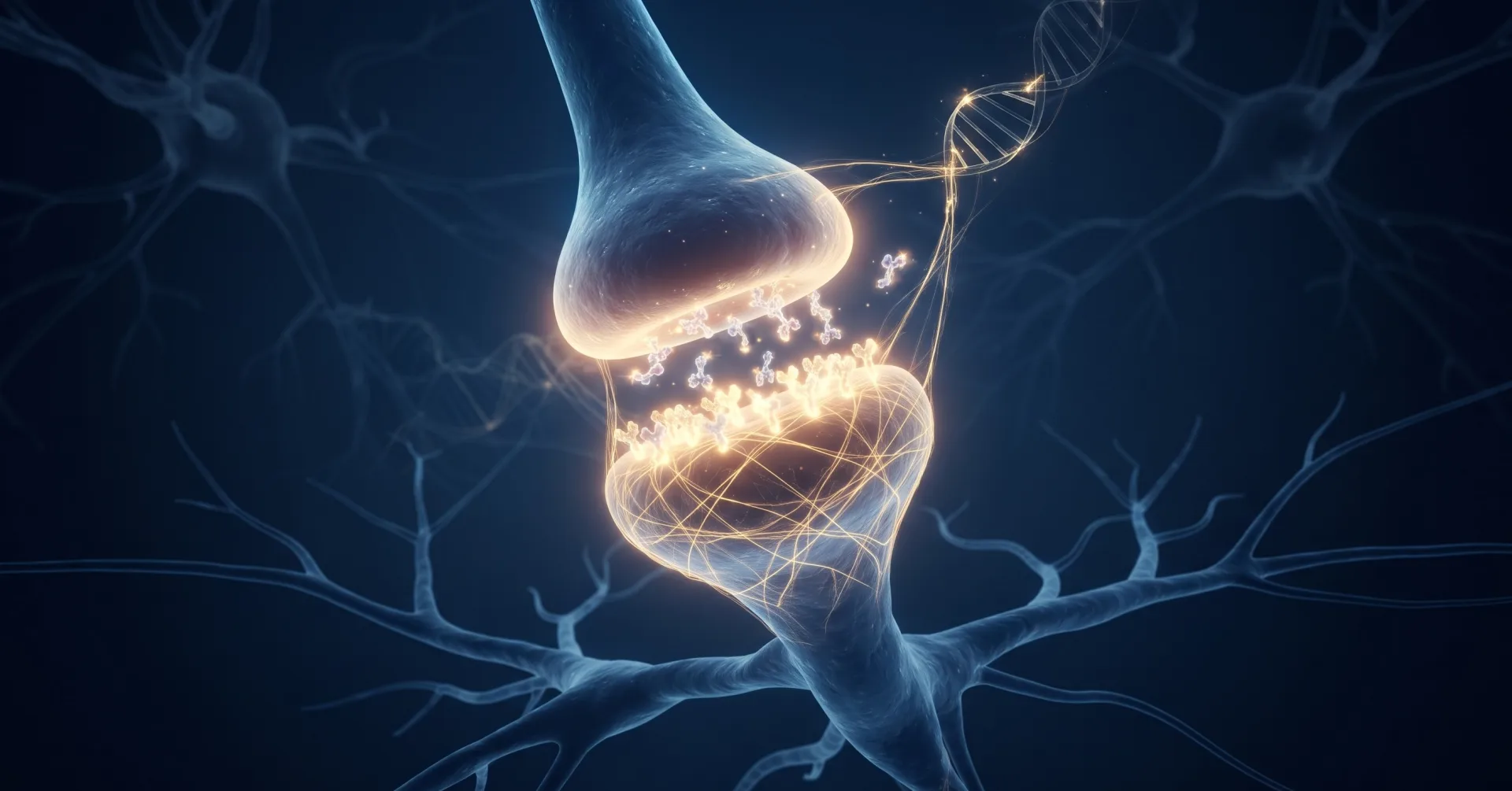
How does the human brain preserve memories for years or even a lifetime? Scientists have been studying this question for decades. Now, researchers have highlighted the role of a special protein called KIBRA, which may help the brain maintain long-term memories.
According to a study published in the journal Science Advances, KIBRA helps stabilise connections between nerve cells in the brain. These connections, known as synapses, play an essential role in learning and memory formation.
Researchers suggest that KIBRA acts as a kind of molecular 'glue', helping maintain the neural connections associated with stored memories.
How Does the KIBRA Protein Help Preserve Memories?
The human brain contains billions of nerve cells, known as neurons. These cells communicate with one another through connections called synapses, allowing information to travel across different parts of the brain.
When people learn something new or experience an event, changes occur in these connections. For a memory to last over time, some of these changes must remain stable.
The research suggests that KIBRA plays an important role in this process. The protein interacts with certain enzymes involved in maintaining and strengthening synaptic connections.
By helping stabilise these connections, KIBRA may support the neural pathways that allow memories to remain accessible over long periods.
In simple terms, KIBRA appears to help the brain maintain the connections that are important for remembering information and past experiences.
New Possibilities for Memory-Related Disorders
The findings could open new directions for research into memory-related conditions, particularly problems involving memory loss and difficulties retaining information over time.
Researchers are also interested in understanding whether KIBRA's role in maintaining synaptic connections could offer insights into conditions such as Alzheimer's disease.
A better understanding of how this protein works may eventually help scientists explore new approaches to treating memory-related disorders.
However, further research will be needed to determine whether these findings can lead to practical medical treatments.
A New Direction in Understanding How the Brain Stores Memories
How the brain stores information and keeps memories intact remains one of the major questions in neuroscience.
The study of KIBRA offers another important piece of the puzzle. By examining how the protein helps maintain connections between neurons, scientists may gain a clearer understanding of how memories remain stable over time.
Although the discovery is promising, it does not mean that a new treatment for memory loss or Alzheimer's disease is already available. More studies are necessary to understand the protein's full role and its potential medical applications.
Still, the research provides valuable insight into the biological mechanisms behind long-term memory and may help guide future studies on how the human brain remembers.






Comments
No comments yet. Be the first to write one.
Leave a comment