


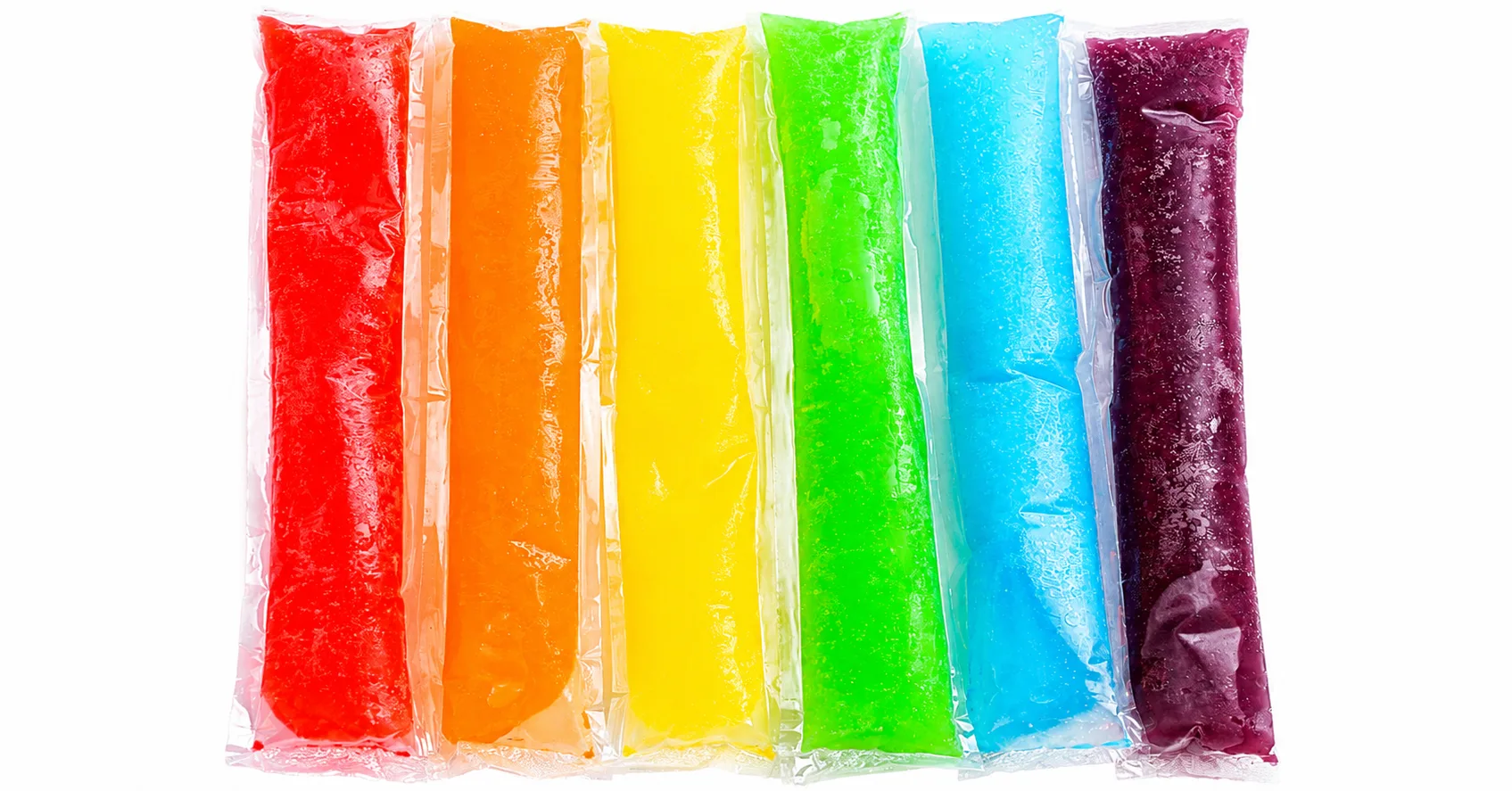
Children’s ice lollies are popular treats, especially during hot weather. Their bright colours, sweet taste and attractive packaging make them a favourite among young children. However, serious concerns have been raised about the safety of some low-quality ice lollies sold in Bangladesh. According to an investigative report published by Jogot TV (@jogottvbd), some manufacturers are allegedly using textile dyes instead of approved food colours to make their products look attractive. The report also raises concerns about the use of cheap saccharin instead of sugar and artificial chemicals to create fruit flavours. These practices may put children's health at risk, particularly when unsafe ingredients are used without proper testing or quality control.
The report highlights an operation by the Directorate of National Consumer Rights Protection at a factory in Rohitpur, Keraniganj, Dhaka. From outside, there was little indication of what was happening inside the building. However, officials reportedly found large quantities of colourful ice lollies piled directly on the floor. The production area was described as extremely dirty and unhygienic. The amount of food being produced under such conditions was also alarming. The factory was reportedly manufacturing pipe ice cream, lollipops, juice and other food products for children. These products were packed in attractive wrappers and distributed to different parts of the country every day. School gates and small grocery shops in towns and villages were among the main selling points. The report further claims that hundreds of similar illegal factories have appeared in different parts of Bangladesh.
One of the biggest concerns is the use of unsuitable ingredients. According to the report, some manufacturers use textile dyes, which are normally intended for colouring fabrics, instead of approved food-grade colours. These dyes are cheaper and can produce bright colours that attract children. The report also alleges that some producers use saccharin instead of sugar to reduce production costs. Saccharin is much sweeter than sugar, so only a small quantity is needed to create a sweet taste. In addition, artificial flavouring chemicals are reportedly used to imitate different fruit flavours. These ingredients do not provide meaningful nutritional value. It is important to understand that not all artificial colours, flavours or sweeteners are unsafe. Their safety depends on the specific substance, approved use and permitted quantity. The main concern is the use of unauthorised substances and uncontrolled amounts in children's food.
Experts quoted in the report warned that exposure to harmful chemicals and excessive or unregulated amounts of certain ingredients may create serious health concerns for children. The reported risks include cancer, kidney damage, liver damage and liver cancer. The report also mentions possible problems with attention, concentration and behaviour, including hyperactivity, restlessness, irritability and mood changes. However, these health effects should not be treated as confirmed outcomes for every child who eats an ice lolly. Actual risks depend on the chemical involved, the amount consumed and the duration of exposure. Laboratory testing and scientific evidence are needed to establish specific health effects. Apart from chemical risks, food made in dirty conditions may also become contaminated with harmful microorganisms. This makes proper hygiene and quality control essential in every food production facility.
The investigation also raised concerns about serious regulatory and labelling violations. According to the report, the factory had no approval from the Bangladesh Standards and Testing Institution (BSTI). It also reportedly had no qualified chemist or in-house laboratory for checking ingredients and product quality. The report claims that chemicals were mixed based on guesswork, without proper testing or quality control. Another concern was the use of attractive packaging with fake addresses and invented brand names. The products were reportedly sold under several different names, making it difficult for consumers and authorities to identify the actual manufacturer. Manufacturing dates and expiry dates were also missing from the packets. Such missing information can make it difficult to check product freshness, trace its origin and protect consumers. Bangladesh has food safety laws and regulations covering food additives, hygiene, testing and packaged food labelling.
Children are naturally attracted to colourful foods and sweet flavours, but they cannot easily identify unsafe ingredients or understand the risks behind attractive packaging. This makes them particularly vulnerable to misleading food marketing. Parents should check the manufacturer's name, address, ingredient list, manufacturing date, expiry date and relevant approval information before buying ice lollies. Avoid products with missing labels, damaged packaging, unusual colours or signs of poor storage. Do not allow children to eat products kept in dirty or unhygienic conditions. If a product appears suspicious, consumers should report it to the relevant food safety or consumer protection authorities. The reported factory conditions raise important questions about food safety monitoring in Bangladesh. Stronger inspections, responsible manufacturing, proper laboratory testing and public awareness are essential to protect children. A colourful wrapper may attract a child, but food safety must always come first.





Comments
No comments yet. Be the first to write one.
Leave a comment