


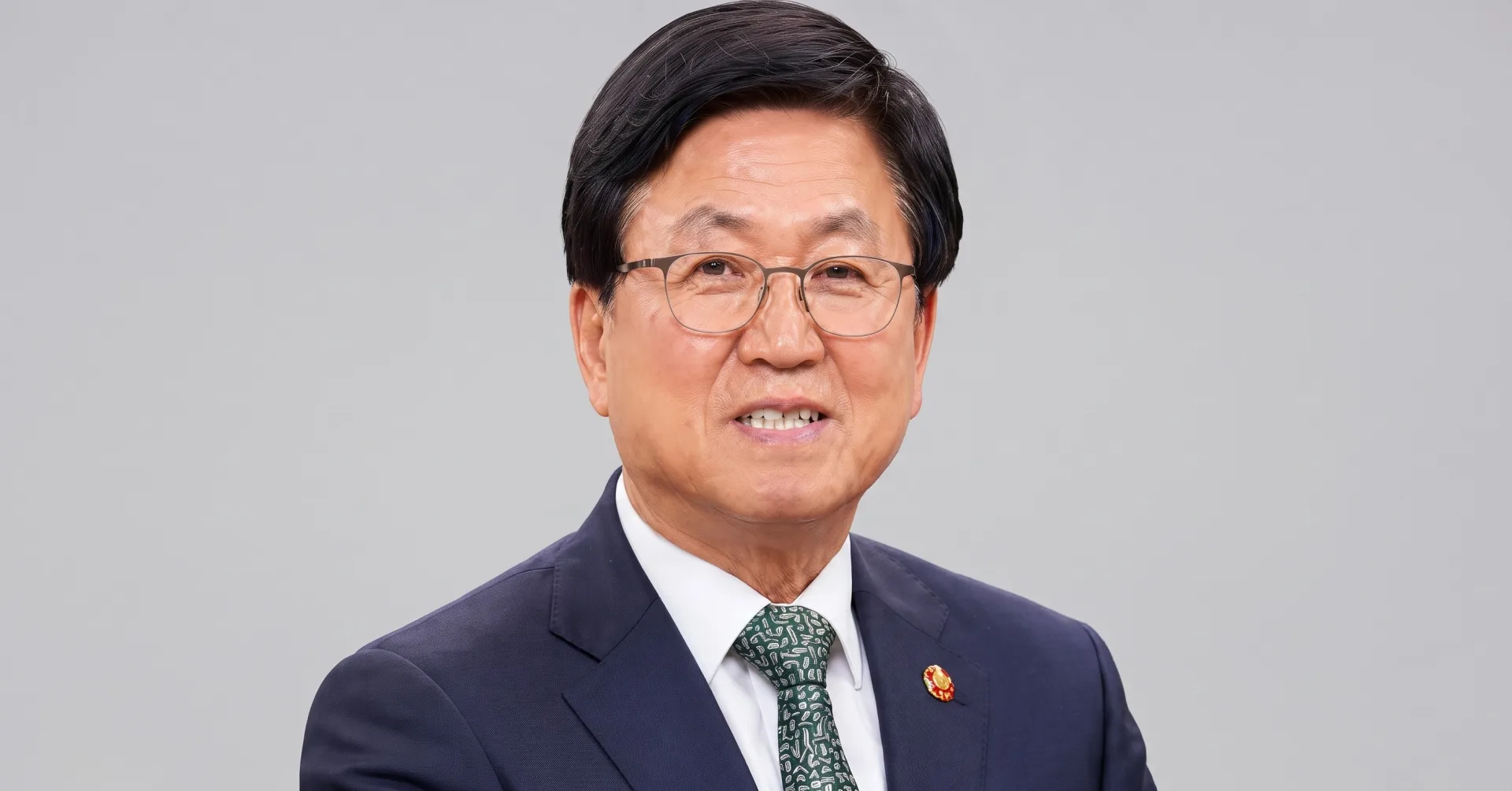
South Korean Education Minister Choi Kyo-jin has resigned following controversy over measures introduced to prevent artificial intelligence (AI)-assisted cheating in the country's national college entrance examination.
Choi announced his decision on Sunday, November 22, taking responsibility for confusion caused by last-minute changes to examination rules. President Lee Jae-myung accepted his resignation approximately an hour after the announcement, presidential spokesperson Kang Yu-jung said.
The government will select a successor through the established appointment process, according to the presidential office.
Controversy Over Cheating Allegations in College Entrance Exam
South Korea's College Scholastic Ability Test (CSAT), widely known as the Suneung, was held on Thursday, November 19. The high-stakes examination plays a major role in determining admission to universities across the country.
Ahead of the test, authorities introduced stricter security measures amid growing concerns about AI-assisted cheating. However, repeated changes to the rules shortly before the examination caused confusion among students, parents and teachers.
The measures included restricting electronic devices inside examination rooms, checking clothing and accessories for hidden cameras, and placing stickers over clothing buttons to prevent the use of miniature cameras.
Authorities also sent three emergency mobile phone alerts during the examination to identify candidates who might have failed to hand over their phones.
According to the Education Ministry, 111 suspected cases of misconduct involving electronic devices were detected during the examination.
Government Plans Tougher Penalties for Cheating
The cheating controversy has prompted the government and ruling party to consider tougher penalties for candidates found using AI or electronic devices to cheat in national examinations.
On November 18, the government and the ruling Democratic Party agreed to pursue legislation that could bar those caught cheating from retaking the CSAT for up to 10 years. The proposed changes were intended to apply retroactively to this year's examination.
The move followed a separate case involving a top scorer in the national tax accountant examination, who admitted to using a miniature camera, a smartphone and AI tools to obtain answers. The incident intensified concerns about the growing use of technology to undermine examination security.
AI Cheating Allegations Surround Law School Entrance Test
Another controversy emerged over the Legal Education Eligibility Test (LEET), a national examination used for admission to law schools in South Korea.
A 32-year-old man, identified as Lee Jin-woo, reportedly achieved a perfect score on the test but faced allegations that he had used generative AI to cheat.
According to police information reported by South Korean media, Lee was a student at Seoul National University's School of Dentistry. He was found dead at a motel in eastern Seoul on Thursday, November 19.
Police had launched an investigation into the cheating allegations. However, the allegations had not been established as proven facts.
Minister Accepts Responsibility and Steps Down
Explaining his decision to resign, Choi Kyo-jin said he could not avoid criticism over the ministry's failure to prepare adequately in advance.
He acknowledged that several changes made shortly before the examination had caused inconvenience to candidates and the public. After the examination concluded, he said he felt a deep sense of responsibility and decided to step down.
The resignation comes amid growing public concern over examination security, AI-assisted cheating and the government's handling of last-minute changes to the rules.
The incident has also highlighted the challenges South Korea faces in protecting the fairness and credibility of high-stakes examinations as artificial intelligence becomes increasingly accessible.






Comments
No comments yet. Be the first to write one.
Leave a comment