

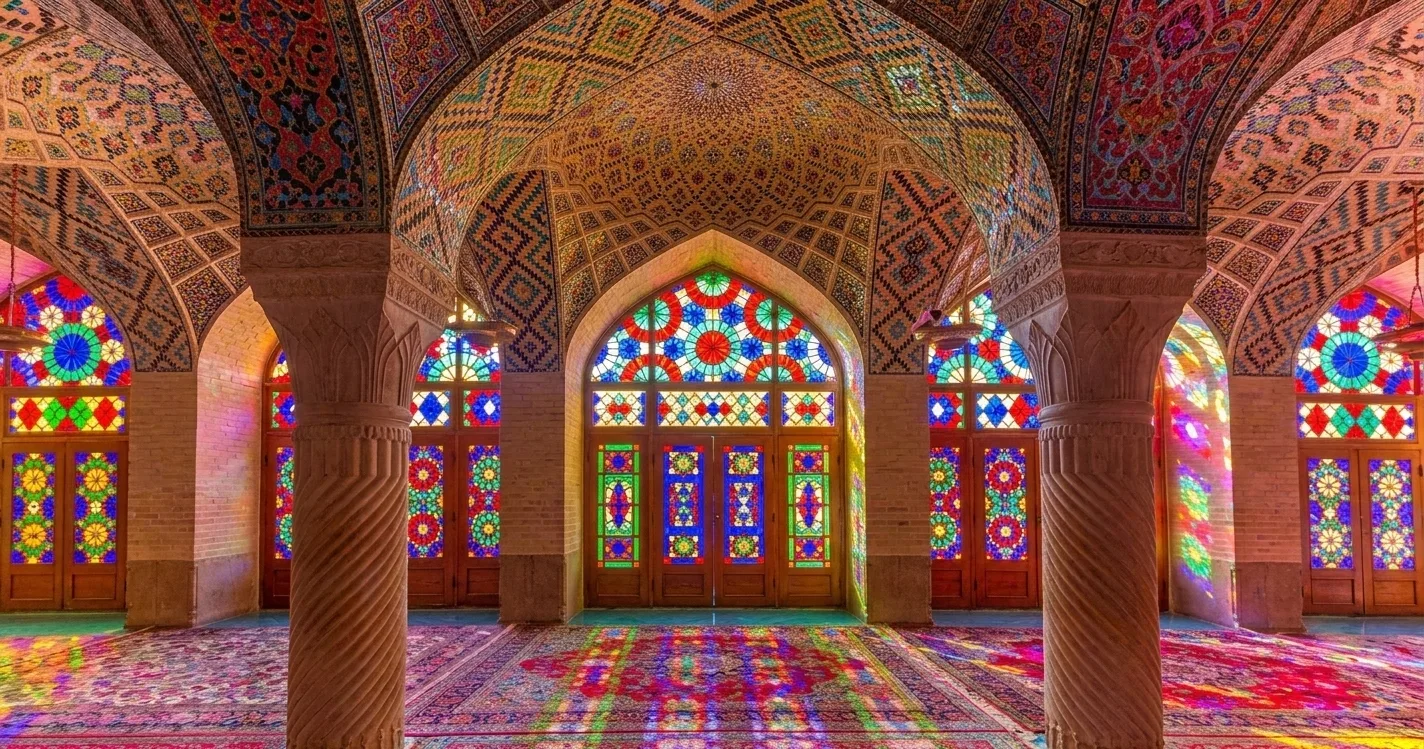
From the graceful flow of Arabic calligraphy to the breathtaking patterns of Islamic architecture, Islamic art tells stories of creativity, culture and centuries-old traditions. More than just decoration, it reflects the artistic imagination of different civilisations and their unique ways of expressing beauty. Celebrating this rich legacy, November 18 is observed as International Islamic Art Day around the world.
Proclaimed by UNESCO in 2019 during its 40th General Conference, the day aims to highlight the historical and contemporary contributions of Islamic art to global culture. The initiative, proposed by Bahrain, seeks to promote greater appreciation of Islamic artistic traditions and their influence across generations.
Islamic art is known for its distinctive combination of intricate details, balanced patterns and elegant designs. Arabic calligraphy transforms words into visual masterpieces, while geometric shapes and floral motifs create fascinating patterns. These artistic elements can be found in mosques, historical buildings, manuscripts, ceramics, carpets, textiles and metalwork.
One of the most fascinating features of Islamic art is its ability to transform simple shapes, lines and patterns into extraordinary works of beauty. Intricate geometric designs, floral motifs and symmetrical patterns create a sense of harmony and balance. These elements can be found in mosques, palaces, manuscripts, ceramics, carpets and countless other forms of artistic expression.
The Beauty of Islamic Calligraphy
An art form where words become visual masterpieces.
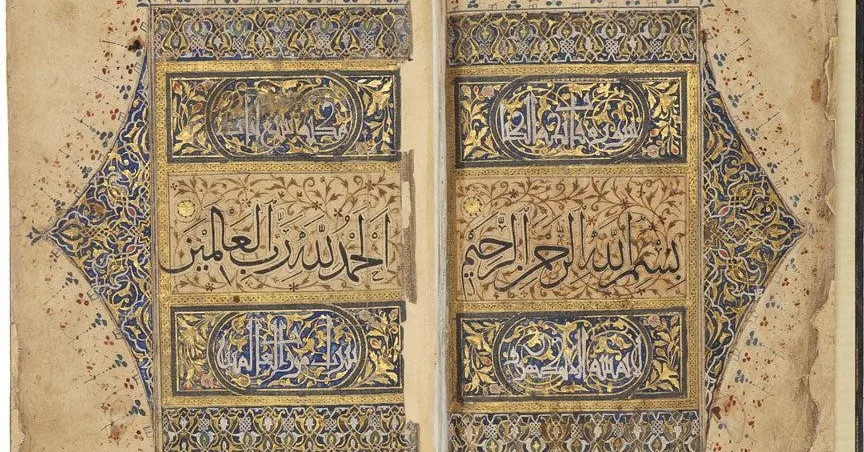
Calligraphy holds a special place in Islamic art. Arabic letters are transformed into artistic compositions through carefully crafted strokes, flowing curves and balanced arrangements. Verses from the Quran and other meaningful texts have inspired generations of calligraphers to create works that combine written language with visual beauty.
Different calligraphic styles, including Kufic, Naskh and Thuluth, demonstrate the remarkable diversity of this tradition.
Geometric Patterns and Floral Designs
Repeating shapes, interlocking lines and symmetrical arrangements are among the most recognisable features of Islamic art. Artists use circles, stars, polygons and complex mathematical patterns to create visually captivating designs.
Floral motifs and arabesque decorations add another dimension, with leaves, vines and stylised flowers flowing across walls, ceilings and decorative objects. Together, these elements create an artistic balance between structure and imagination.
Islamic Architecture: Art in Every Detail
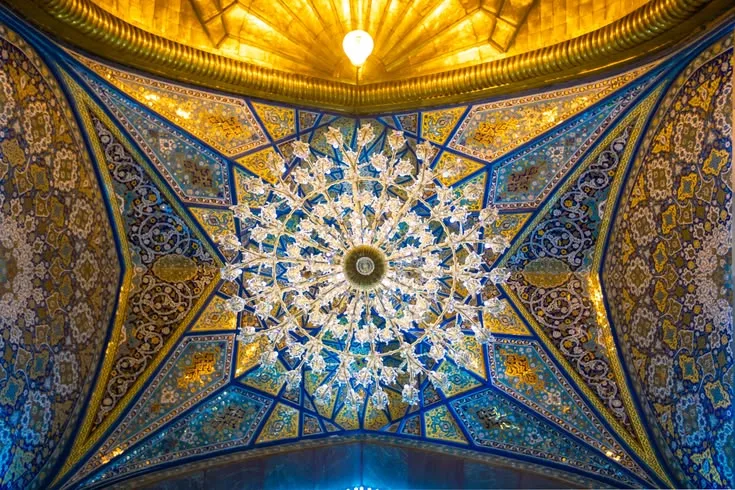
Islamic architecture brings artistic imagination into physical spaces. Domes, arches, minarets, courtyards and beautifully decorated ceilings demonstrate how architecture can become a form of visual storytelling.
From the intricate tilework of the Alhambra in Spain to the magnificent mosques of Central Asia and South Asia, Islamic architecture reflects the artistic traditions of different regions while maintaining distinctive decorative elements.
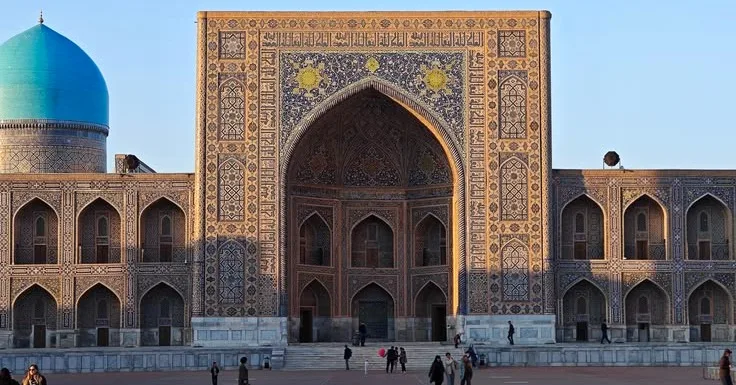
From Ceramics to Book: Art in Everyday Life
The influence of Islamic art extends beyond buildings and manuscripts. Ceramics, textiles, carpets, glasswork and metal objects also showcase extraordinary craftsmanship.
Traditional carpets feature detailed geometric and floral compositions, while ceramic objects display colourful patterns and decorative calligraphy. Metalworkers have also developed intricate engraving techniques, turning everyday objects into remarkable artistic creations.
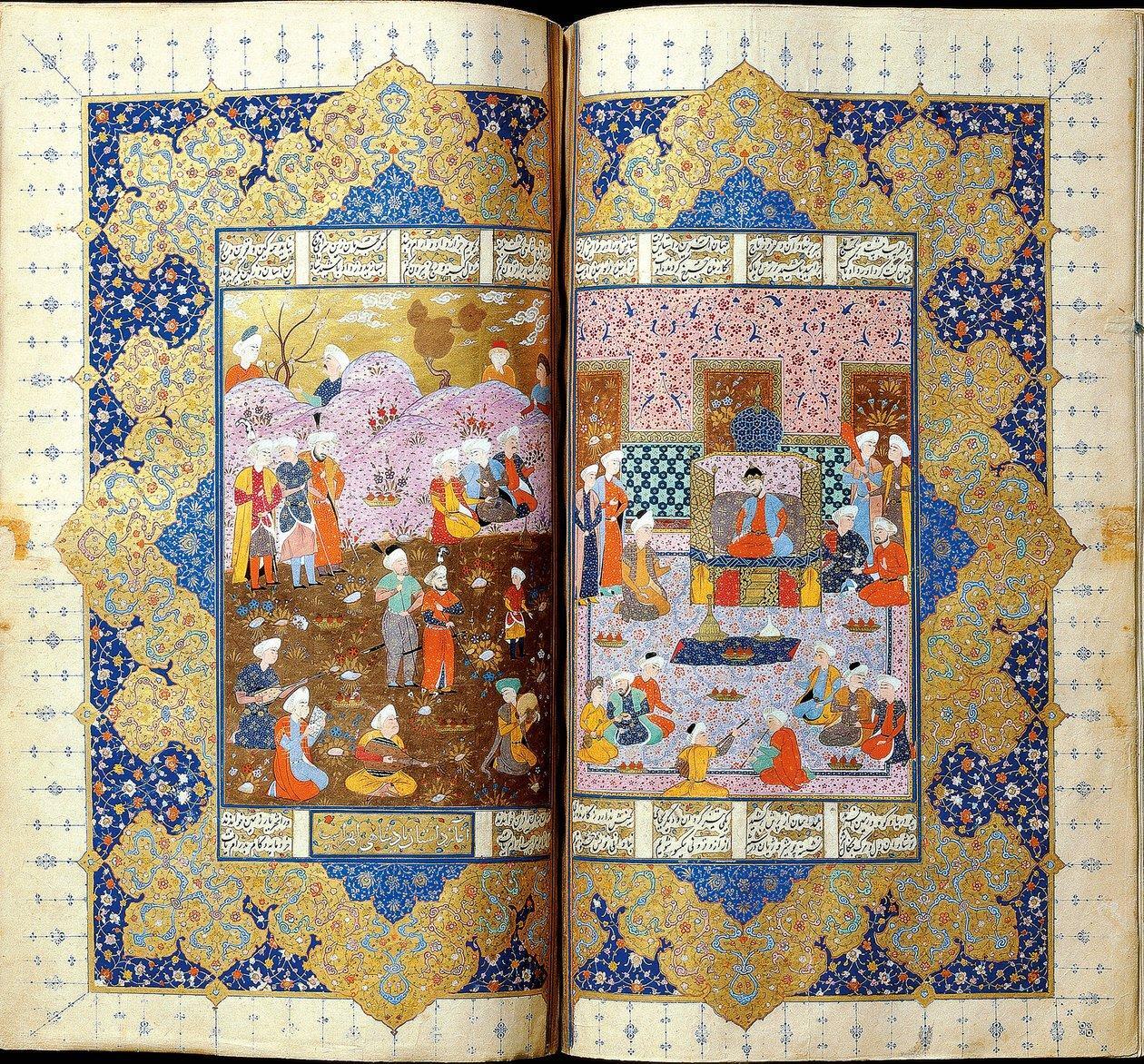
A Cultural Legacy Across the World
Islamic art has never belonged to just one country or region. It has developed through centuries of cultural exchange, incorporating influences from Spain, North Africa, the Middle East, Central Asia and South Asia.
Although artistic styles differ from place to place, the use of calligraphy, geometric patterns and decorative ornamentation creates connections across these diverse traditions. This combination of shared artistic elements and regional creativity makes Islamic art one of the world's most distinctive cultural legacies.
Today, museums, galleries, architects and contemporary artists continue to explore and reinterpret these traditional forms. Islamic art remains a living tradition- connecting the creativity of the past with the artistic imagination of the present.



Comments
No comments yet. Be the first to write one.
Leave a comment