


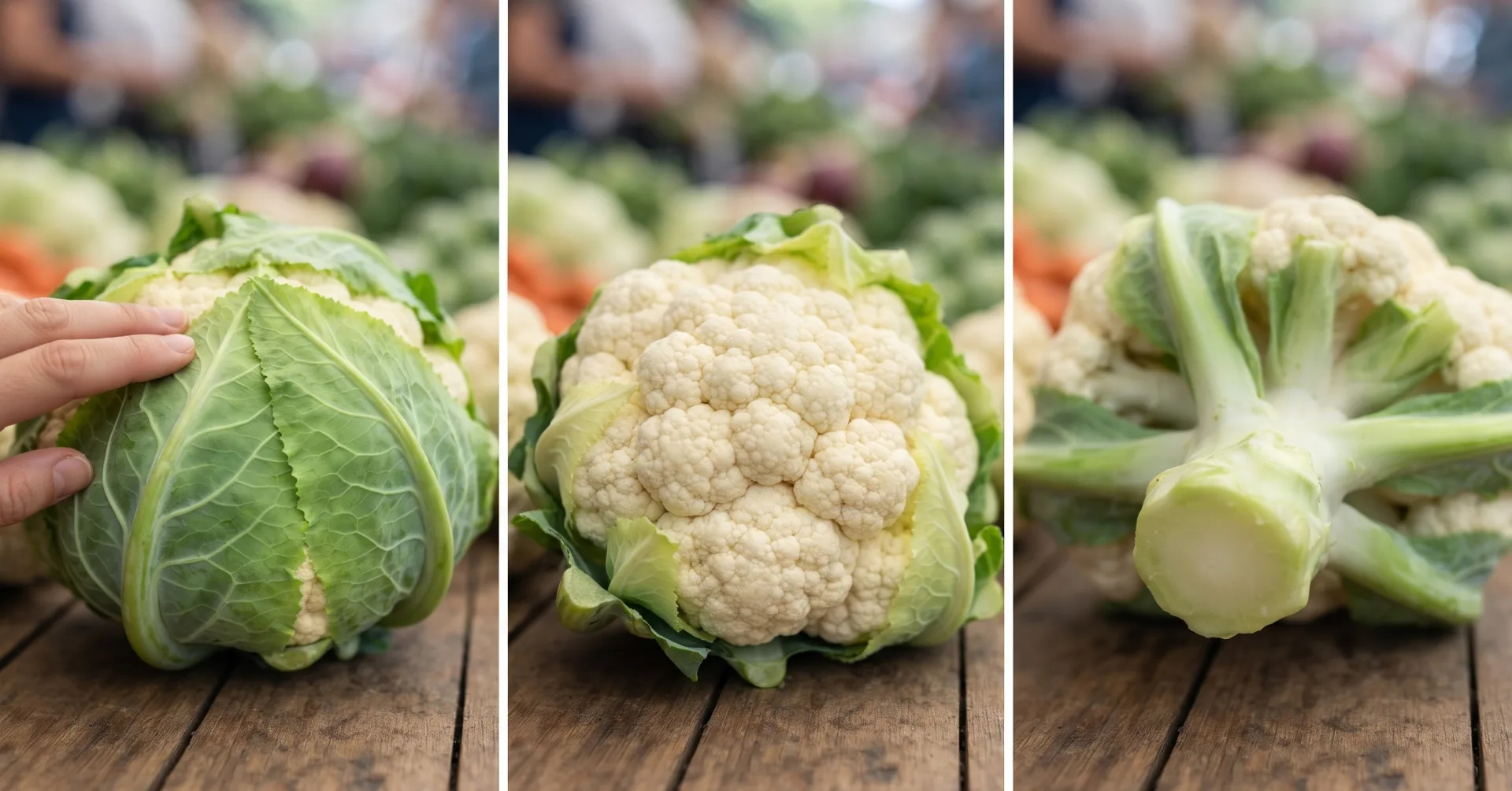
Cauliflower becomes widely available in local markets during winter. Known for its taste and nutritional value, it is a popular vegetable in many households. It can be used to prepare a variety of dishes, including stir-fries, curries, mashed vegetables, pakoras and soups.
However, choosing good-quality cauliflower is not always easy. Some may look fresh on the outside but contain insects, damaged florets or signs of spoilage inside.
A beautiful appearance alone does not guarantee freshness. Checking a few important details before purchasing can help you select fresh and good-quality cauliflower.
1. Check the Colour
Fresh cauliflower is generally white or slightly cream-coloured. Before buying, examine the entire surface carefully.
Avoid cauliflower with excessive yellowing, brown patches or dark spots, as these may indicate ageing, damage or spoilage. A clean, evenly coloured surface is generally a good sign of freshness.
2. Look for Firm and Compact Florets
The florets of fresh cauliflower should be firm, compact and closely packed together.
If the florets appear loose, soft or unusually separated, the vegetable may be overripe or have been stored for too long.
Choose cauliflower with a dense structure and intact florets for better quality.
3. Examine the Green Leaves
The outer leaves can provide useful clues about a cauliflower's freshness.
Fresh cauliflower usually has green, firm and healthy-looking leaves. Dry, yellow or decaying leaves may indicate that the vegetable is old or has not been stored properly.
Whenever possible, choose cauliflower with fresh green leaves still attached.
4. Compare Its Weight and Size
Weight can also help when selecting cauliflower. If two cauliflower heads are similar in size, the heavier one may have denser florets and a better moisture content.
Pick one up and compare its weight with others of a similar size. However, weight alone cannot determine quality, so check its colour, texture and freshness as well.
5. Check for Insects and Dark Spots
Insects, small holes and dark patches can sometimes be found between cauliflower florets.
Pay particular attention to the gaps and inner sections, where insects may remain hidden. Avoid cauliflower with visible signs of extensive insect damage, mould or decay.
Careful inspection before buying can help prevent unpleasant surprises when preparing the vegetable at home.
6. Pay Attention to the Smell
Fresh cauliflower generally has a mild, natural vegetable smell.
However, a strong sour, rotten or unusual odour may indicate spoilage. If you notice an unpleasant smell while selecting cauliflower, it is better to avoid buying it.
7. Avoid Soft or Slimy Parts
Fresh cauliflower should feel firm when gently touched.
If any section feels unusually soft, wet or slimy, it may be a sign of deterioration. Check the florets carefully before purchasing.
Choose cauliflower with firm, intact and dry-looking surfaces.
How to Store Cauliflower After Buying
Selecting fresh cauliflower is only part of the process. Proper storage also helps maintain its quality for longer.
Follow these simple tips:
Store cauliflower in the refrigerator while it is fresh and dry.
Avoid washing it before storage, as excess moisture can encourage spoilage.
Keep it in a clean, breathable bag or suitable vegetable storage container.
Wash the florets thoroughly under clean running water before cooking.
Separate the florets and inspect the gaps carefully if you suspect insects are present.
Remove any damaged or spoiled sections before preparation.
Choose Fresh Cauliflower with a Little Extra Care
Buying good-quality cauliflower does not require special expertise. A little attention to its colour, structure, leaves, weight, smell and texture can make the selection process easier.
Instead of judging cauliflower only by its size or appearance, examine these seven signs before purchasing. A careful choice can help you bring home fresher vegetables and prepare better meals for your family.






Comments
No comments yet. Be the first to write one.
Leave a comment