

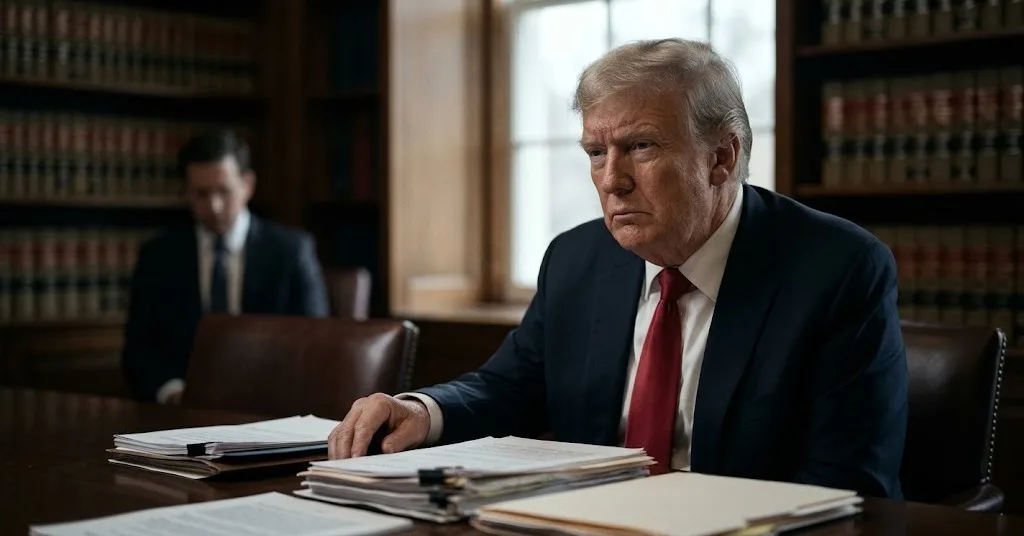
US President Donald Trump is expected to face significant political and legislative challenges after his Republican Party lost control of both chambers of Congress in the midterm elections. With Democrats taking control of the Senate and the House of Representatives, Trump will have to negotiate with the opposition to advance his legislative agenda during the final two years of his second term. Democrats will also gain greater authority to investigate and scrutinise the actions of his administration.
The election results could make it increasingly difficult for Trump to implement his political priorities, particularly on legislation, government spending, foreign policy and key administrative appointments.
Passing New Laws Will Become More Difficult
Under the US legislative system, most new laws must be approved by both the House of Representatives and the Senate before being sent to the president for approval. Although Trump retains the power to veto legislation, Congress can override a presidential veto if two-thirds of members in both chambers support the measure.
With Democrats controlling both chambers, passing new legislation will become a major challenge for the Republican president. Trump will need opposition support to move forward with important legislative proposals and policy initiatives.
Greater Investigations and Oversight of the Administration
Democrats will have greater opportunities to investigate the activities of the Trump administration through congressional committees. These committees can summon cabinet members and senior officials to hearings, request government documents and question officials about administrative decisions.
As a result, Trump's decisions on the Iran war, government spending, military operations and foreign policy could face increased scrutiny. Democratic lawmakers may use their oversight powers to demand explanations about controversial policies and decisions taken by the administration.
Senate Could Block Key Appointments
The Senate plays an important role in approving presidential nominations for cabinet positions, ambassadors and federal judges. With Democrats controlling the chamber, they could delay or block Trump's nominees for important government positions.
This could create difficulties for the president in filling key administrative posts and appointing officials who support his political priorities.
Budget Disputes Could Lead to Government Shutdowns
Congress has the authority to approve federal spending and allocate funds to different government programmes. Disagreements between the Trump administration and Democrats over military spending, foreign assistance and social programmes could create a budget deadlock.
If lawmakers fail to reach an agreement on government funding, parts of the federal government could be forced to suspend operations. Such a situation is known as a government shutdown.
Iran War and Foreign Policy Under Pressure
Democrats could also increase pressure on Trump over the Iran war and other foreign policy decisions. They may question military spending, demand congressional hearings and seek detailed explanations about the administration's military strategy.
Other issues, including assistance to Ukraine, arms sales to Israel and US policy towards Latin America, could also become sources of disagreement between the two parties.
Possibility of Impeachment Proceedings
Control of the House of Representatives gives Democrats the opportunity to initiate impeachment proceedings against Trump. However, impeachment by the House does not automatically remove a president from office.
Removal requires a two-thirds majority vote in the Senate. Therefore, although Democrats could begin impeachment proceedings, securing enough votes to remove Trump would remain a separate challenge.
Trump Will Retain Presidential Powers
Despite losing control of Congress, Trump will continue serving as president and retain his executive authority. He will remain commander-in-chief of the armed forces and can issue executive orders within his constitutional and legal powers.
However, executive orders cannot cancel or replace laws passed by Congress. Any major legislative changes will still require congressional approval.
The US political system is built around the principle of checks and balances, which prevents any single branch of government from exercising unlimited power. With Trump remaining in the White House while Democrats control Congress, political negotiations and disputes are likely to increase during the remaining two years of his presidency.

Comments
No comments yet. Be the first to write one.
Leave a comment