


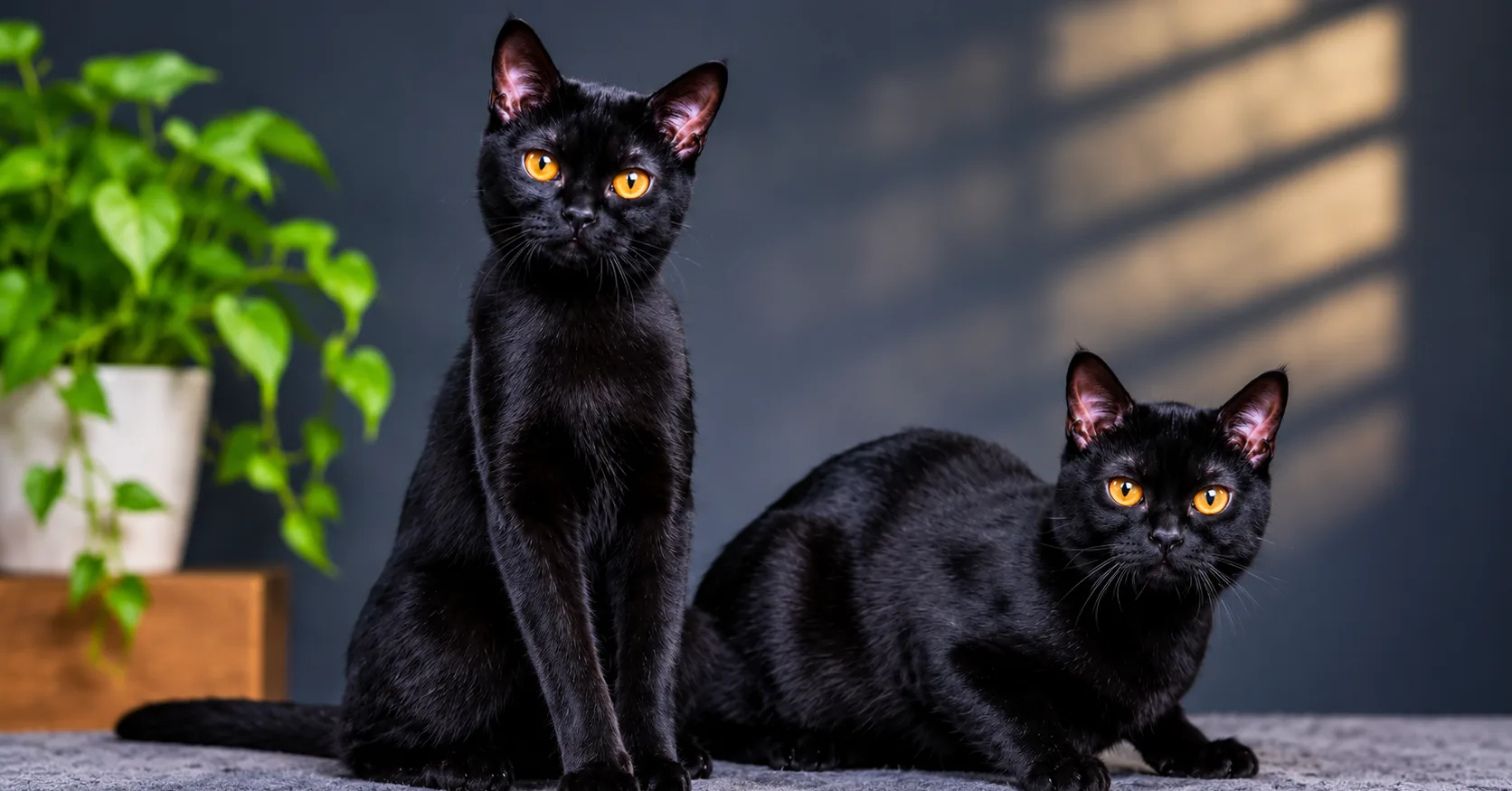
Many people freeze in their tracks when a black cat crosses their path, fearing that misfortune or bad luck is headed their way. But are black cats truly unlucky, or is this belief merely a superstition that has persisted for thousands of years? Examining history and science reveals fascinating facts behind this phenomenon.
How Black Cats Became Associated with Bad Luck
The history of this superstition traces back nearly 5,000 years to ancient Egypt, where cats were revered as symbols of spiritual power and divine protection. Killing a cat in ancient Egypt carried the severe penalty of death, and cats were often mummified and honored equally regardless of their coat color.
However, perception shifted dramatically in 1233 AD in Europe when Pope Gregory IX issued a papal decree associating black cats with Satanic rituals. This decision was largely driven by religious conflict between Catholics and Pagans, who often kept and favored black cats. Centuries later, during the 17th-century witch trials, black cats were branded as companions to witches, fueling widespread extermination and embedding the fear of black cats as omens of evil into global folklore.
Why Do Black Cats' Eyes Glow in the Dark?
One primary reason people fear black cats in the dark is the glowing appearance of their eyes. Scientifically, this glow is caused by a reflective membrane located behind the retina called the Tapetum Lucidum. Acting much like a mirror, this structure reflects incoming light back through the retina, effectively giving the cat double light exposure for superior night vision.
Because black fur absorbs light, a black cat's body often blends entirely into night shadows, leaving only its eyes visible when light reflects off the Tapetum Lucidum. This contrast often startles people, mistakenly reinforcing feelings of dread or superstition.
What Science Says: Are Black Cats a Curse or a Blessing?
Genetically, a black cat is just as harmless and affectionate as any other domestic feline. Their dark coat color is simply the result of high concentrations of melanin pigment in their fur.
Dr. Stephen O'Brien, a genetic researcher at the National Institutes of Health (NIH) in the United States, discovered that the genetic mutations responsible for black coat color also enhance the cat's immune system. Black cats possess greater resistance to viral and infectious diseases compared to cats of other colors. Researchers believe studying these genetic traits in black cats may provide valuable insights into treating human viral diseases, including HIV.
Far from being harbinger of bad luck, black cats are a natural marvel whose genetic strength offers potential benefits to medical science.



Comments
No comments yet. Be the first to write one.
Leave a comment