


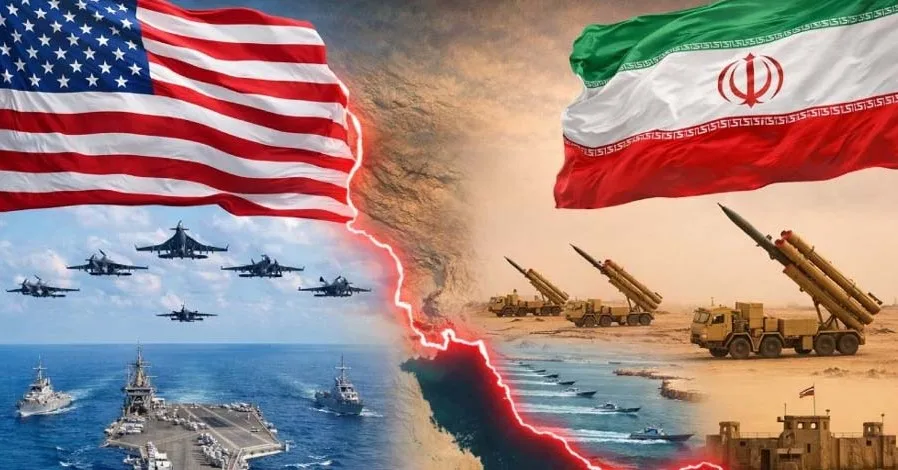
Iran has said the strategically important Strait of Hormuz could be reopened within two days if the United States accepts Tehran's demands, including lifting its naval blockade against the country. Iranian Foreign Ministry spokesperson Esmail Baghaei said fulfilling Iran's conditions would create an opportunity to restore security in the vital shipping route and pave the way for renewed negotiations.
Baghaei made the remarks during his weekly press briefing in Tehran on Monday, November 2. He said Iran had clearly presented its demands and that the situation could improve within a short period if Washington agreed to address them.
"We have stated that if Iran's demands are met, it will be possible to restore security in the Strait of Hormuz within a short time and create an opportunity to begin negotiations," Baghaei said.
However, he emphasized that the next steps would largely depend on Washington's decisions and how the process moves forward. According to the Iranian spokesperson, Tehran has presented its demands in what he described as a clear, reasonable and logical manner.
Baghaei warned that no agreement would be possible unless the United States lifted its naval blockade against Iran and accepted what Tehran considers its legitimate demands.
He also made it clear that without such steps, reopening the Strait of Hormuz or ensuring security in the waterway would remain impossible. His comments indicate that Iran is linking the reopening of the strategic shipping route directly to progress in negotiations with Washington.
The Strait of Hormuz is one of the world's most strategically important maritime passages, playing a crucial role in international energy transportation. Any disruption to shipping through the narrow waterway can create uncertainty over global energy supplies and international trade.
Against this backdrop, Iran's latest statement has placed renewed attention on the possibility of diplomatic negotiations between Tehran and Washington. The potential reopening of the strait within two days would depend on whether the United States responds positively to Iran's conditions.
The latest developments come amid escalating tensions following joint military strikes by Israel and the United States against several Iranian cities, including Tehran, on February 28.
In response, Iran launched repeated missile and drone attacks targeting Israel and US military bases and installations across the Gulf region. Tehran also tightened its control over the Strait of Hormuz, increasing uncertainty over maritime movement through the strategic waterway.
With tensions continuing, Iran has now outlined the conditions it says could lead to the reopening of the strait and the resumption of negotiations. Whether Washington will accept those demands remains a key question in the ongoing conflict.
Comments
No comments yet. Be the first to write one.
Leave a comment