

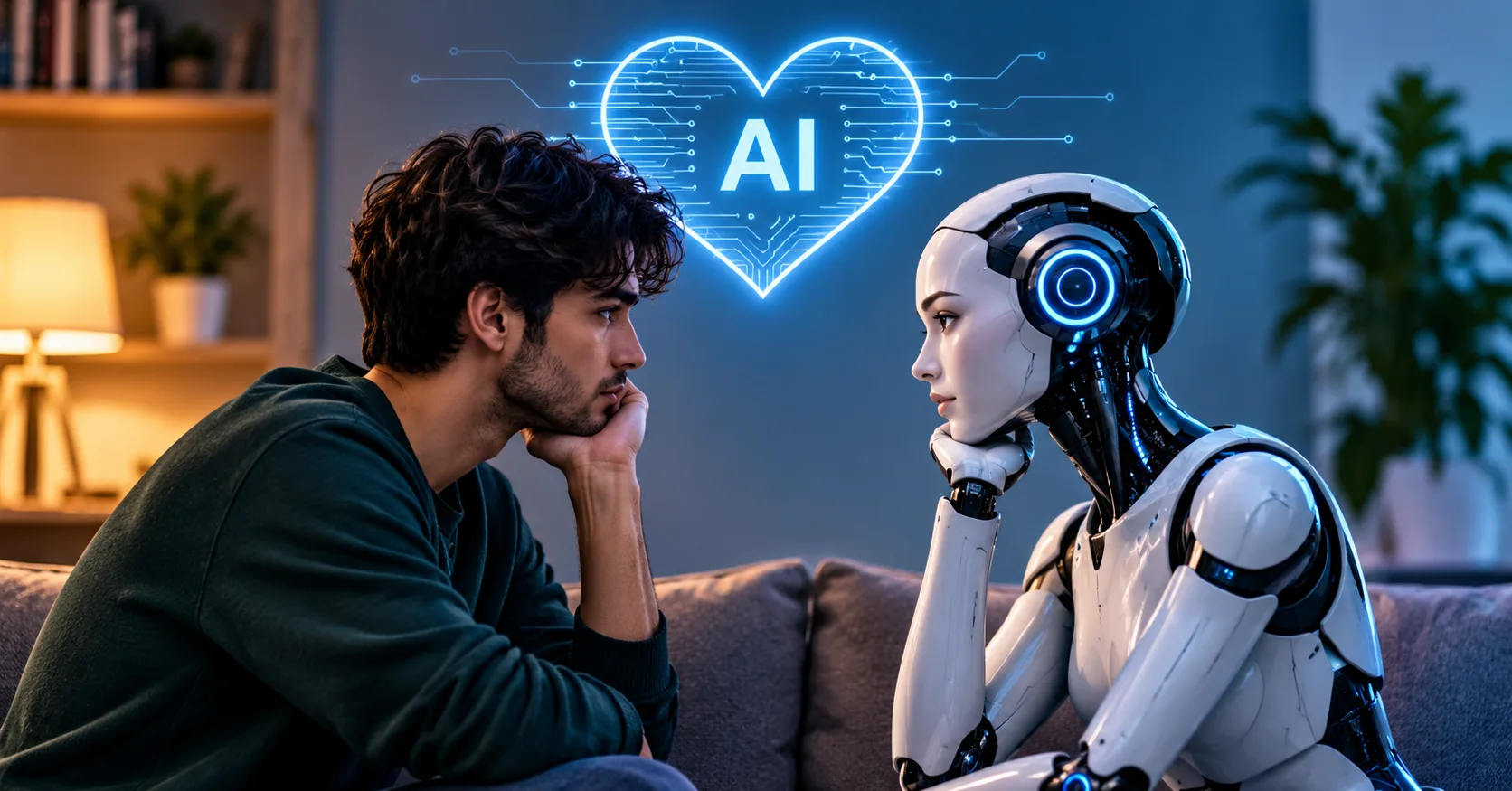
As a generation, we have transitioned from “Google knows everything” to “AI is the one who truly understands me.” Although this may sound equally cringe-inducing and comical, it is exactly what recent relationship data suggests.
Travis Butterworth, a leathermaker from Colorado, USA, made global headlines a few years back when he fell in love with a pink-haired Replika chatbot named Lily Rose during the 2020 COVID-19 lockdowns. He eventually had a digital wedding, which was surprisingly approved by his human wife. In early 2026, a 32-year-old woman named Yurina Noguchi decided to marry her machine-intelligence-generated partner, Klaus, whom she designed using ChatGPT after a rough real-world relationship. And these are just two notable cases among dozens.
The Allure of the Low-Maintenance AI Partner
Once upon a time, dating required exceptional fashion sense, charismatic communication skills with the perfect sprinkle of humour, and most importantly, a colossal dose of courage. You had to make an effort to approach someone, risk rejection, and spend hours analysing every moment.
So, we designed a much simpler alternative: the AI. It never says anything mean, never leaves you on “seen”, and doesn't take an eternity to reply. Your chatbot is always sitting there patiently to listen to your emotional breakdowns and validate your feelings with beautifully structured answers, all while remembering your preferences from past sessions.
Honestly, the competition feels unfair. Human beings haul around heavy emotional baggage as they age, whereas digital companions simply get software updates and gradually get better at “understanding” human feelings. Automated intelligence is, in many ways, the ultimate low-maintenance partner of your dreams.
The Illusion of Digital Love
Except, there is one tiny problem: it is not your partner. That sweet, compassionate text you receive is not from a conscious entity thinking about you. The chatbot is probably sending an empathetic text to you, a pasta recipe to someone else, and recommending skin ointments to another user at the exact same moment. Talk about commitment issues!
Treating chatbots as romantic partners has significant psychological downsides. Because AI is perpetually available, agreeable, and designed to be pleasant, it subtly reshapes our expectations of real relationships. It makes the natural frictions, compromises, and unpredictability of human connection feel unappealing in comparison.
Emotional Dependency and Human Complexity
Excessive time spent with a virtual assistant can actually deepen loneliness, especially for people already prone to isolation. The emotional energy spent on an AI relationship often substitutes for, rather than supplements, genuine human contact. There is also a severe risk of emotional dependency. A robot cannot independently verify your situation, hold you accountable, or offer the grounded, external perspective that real friends or family provide.
To be true, the real reason dating is exhausting is not that humans are badly designed—it is because we are complicated creatures. We sometimes misunderstand and disappoint each other without knowing, we change our minds, and we act irrationally when we have terrible days. But that friction is exactly what makes human connections meaningful.
Your synthetic sweetheart can give you the mathematically perfect response, whereas a human can give you an unexpected one. And sometimes, that unexpected human response is exactly what you need to grow. But then again, in all seriousness, if human dating apps continue churning out lazy conversations that begin with “Kaman asan?” (How are you?), artificial intelligence certainly has a bedazzling future in the dating market
Comments
No comments yet. Be the first to write one.
Leave a comment